SaaS Starter Kit Cost and Total Ownership Budget
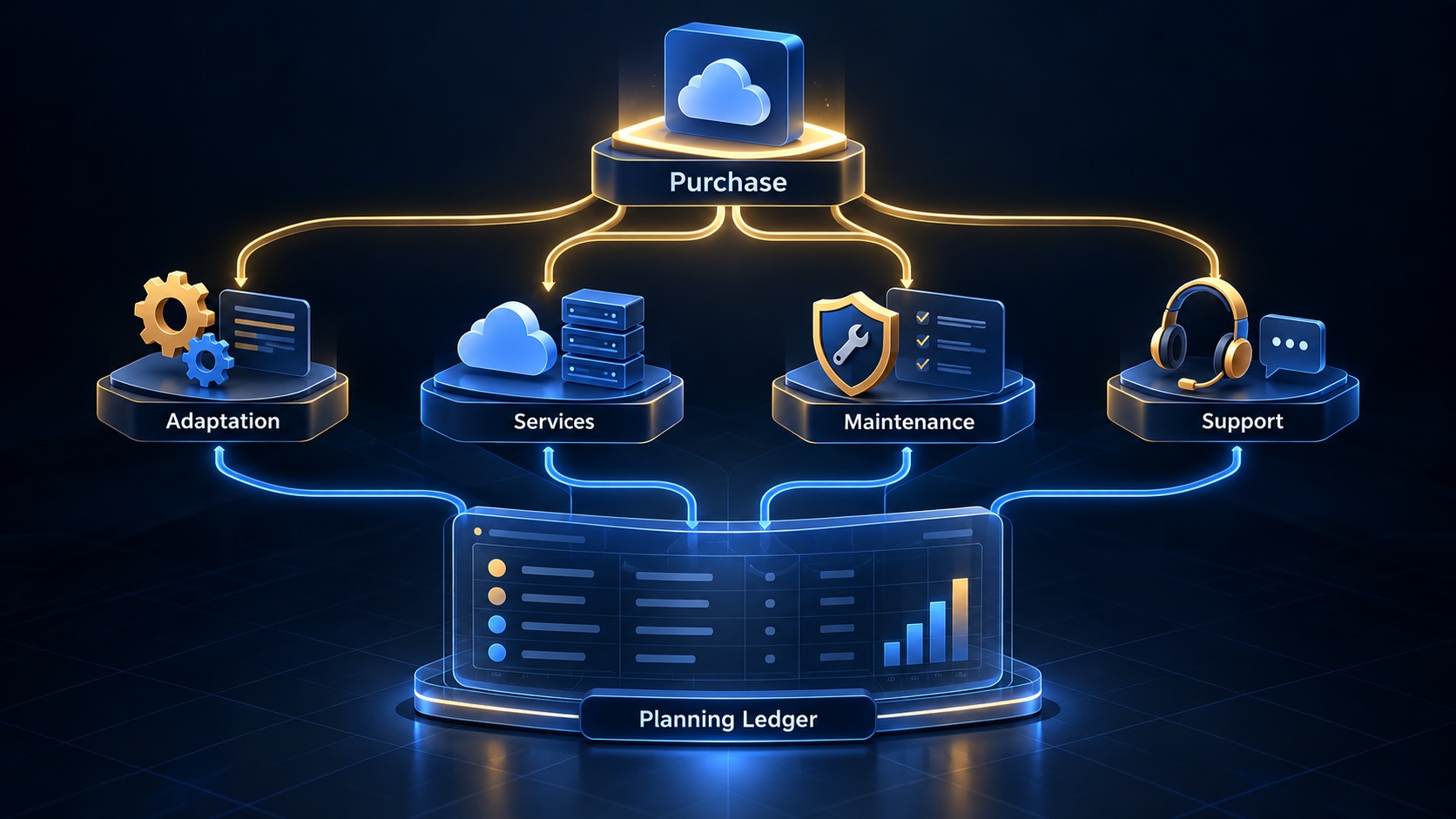
Estimate SaaS starter kit costs beyond the license, including adaptation, hosting, provider usage, maintenance, and founder time with a clear example.
The full archive
Search a question, explore a desk, or compare approaches. Every article is linked in this archive.
Estimate SaaS starter kit costs beyond the license, including adaptation, hosting, provider usage, maintenance, and founder time with a clear example.
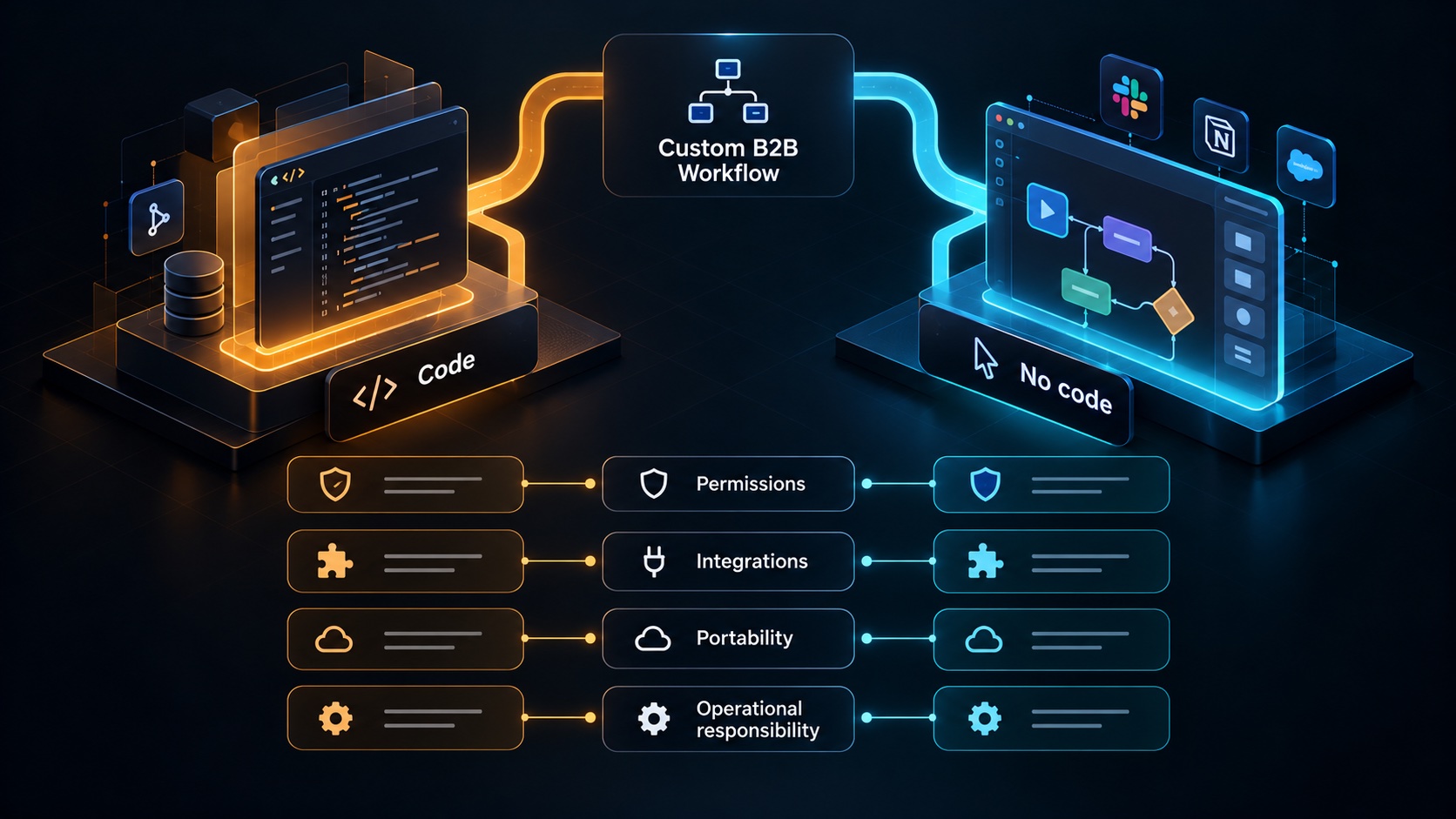
Compare a SaaS starter kit and no-code platform for B2B apps using workflow complexity, permissions, integrations, operating skills, and portability.
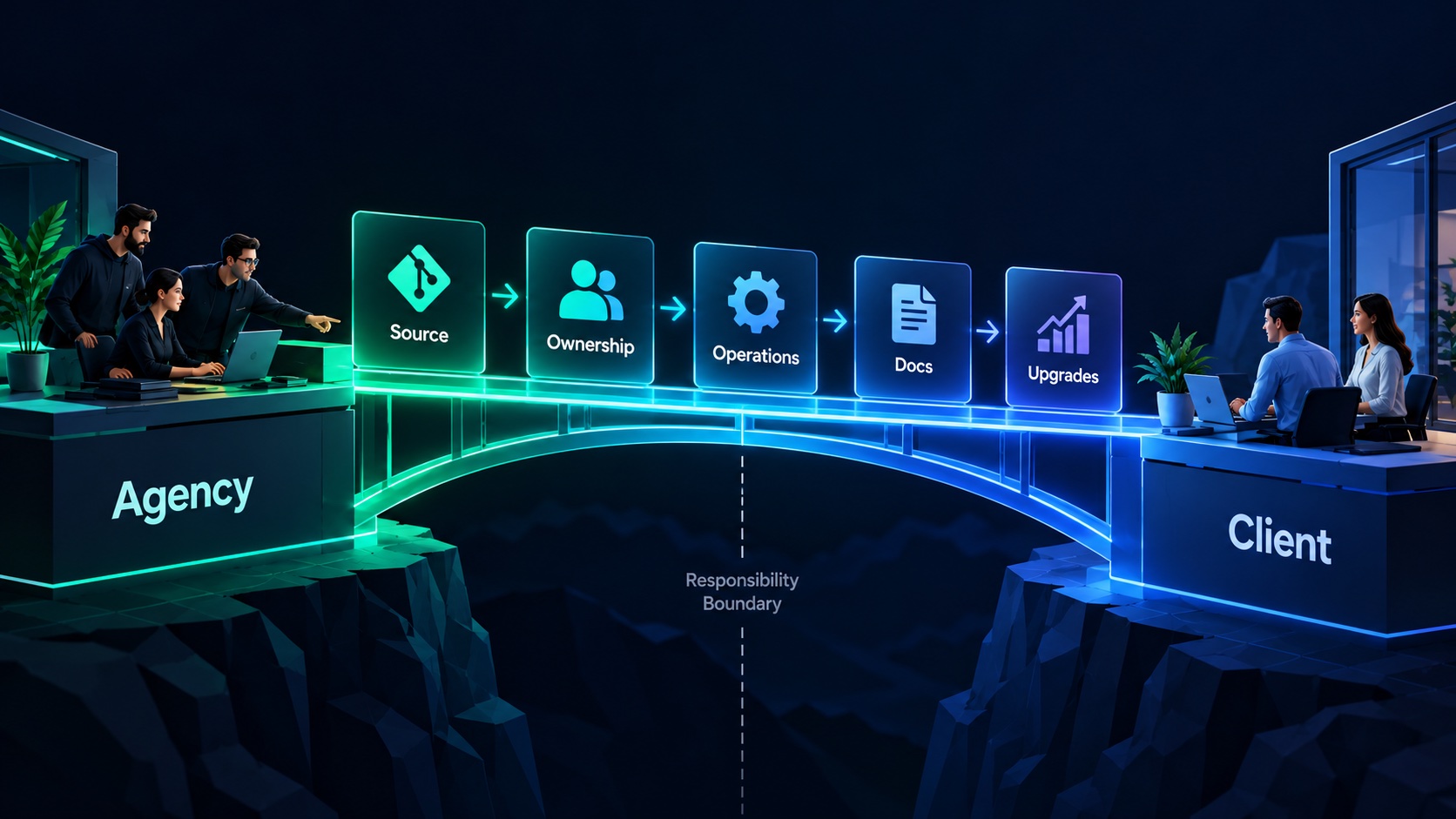
Evaluate source rights, developer seats, client handover, updates and deployment responsibilities before choosing a SaaS starter for agency projects.
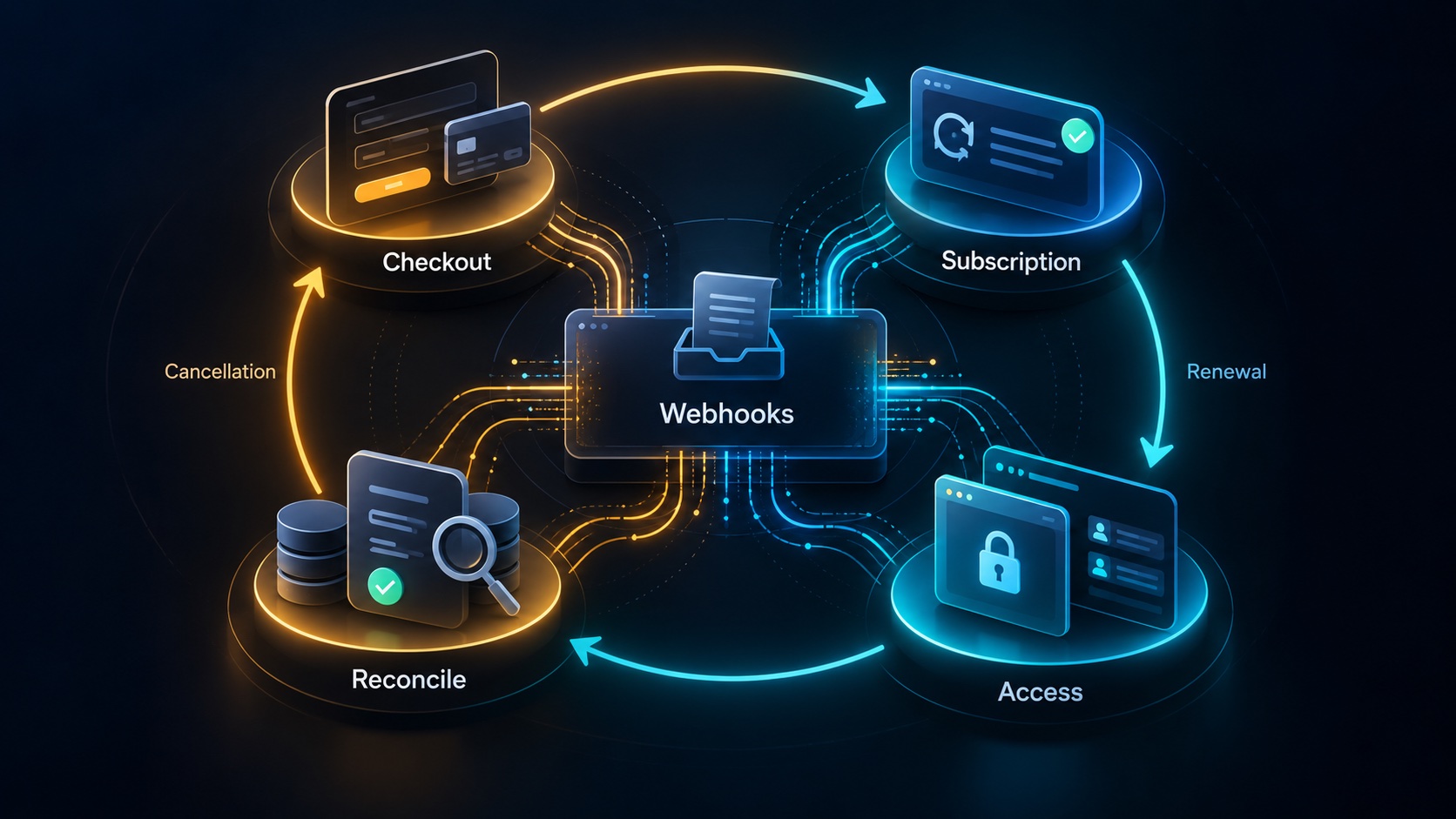
Evaluate a Paddle SaaS integration with subscription, entitlement, failure and recovery questions. Separate test checkout from live business readiness.
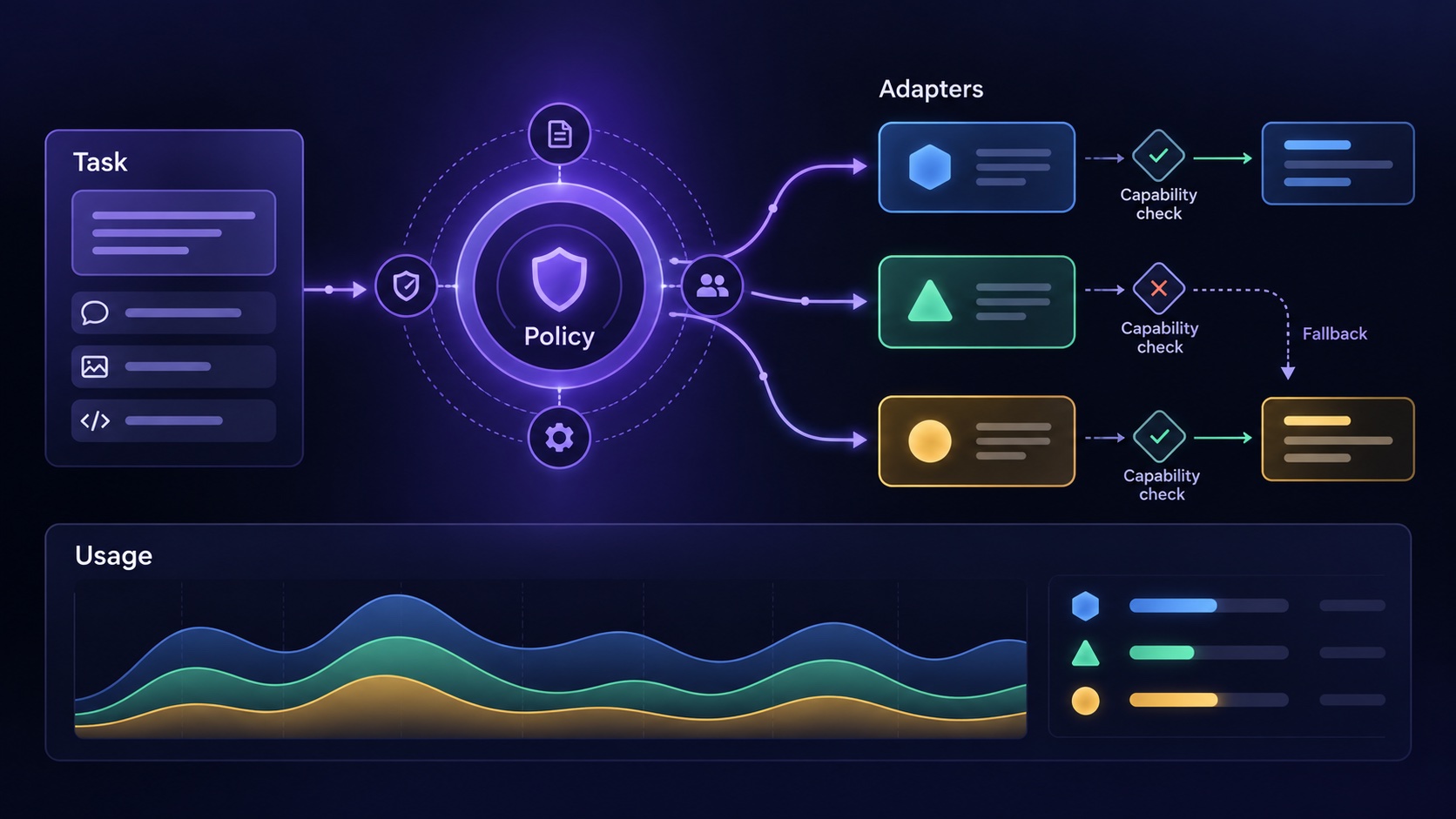
Add multiple AI providers with task-based adapters, capability checks, output validation, explicit fallback rules, and usage records for every attempt.
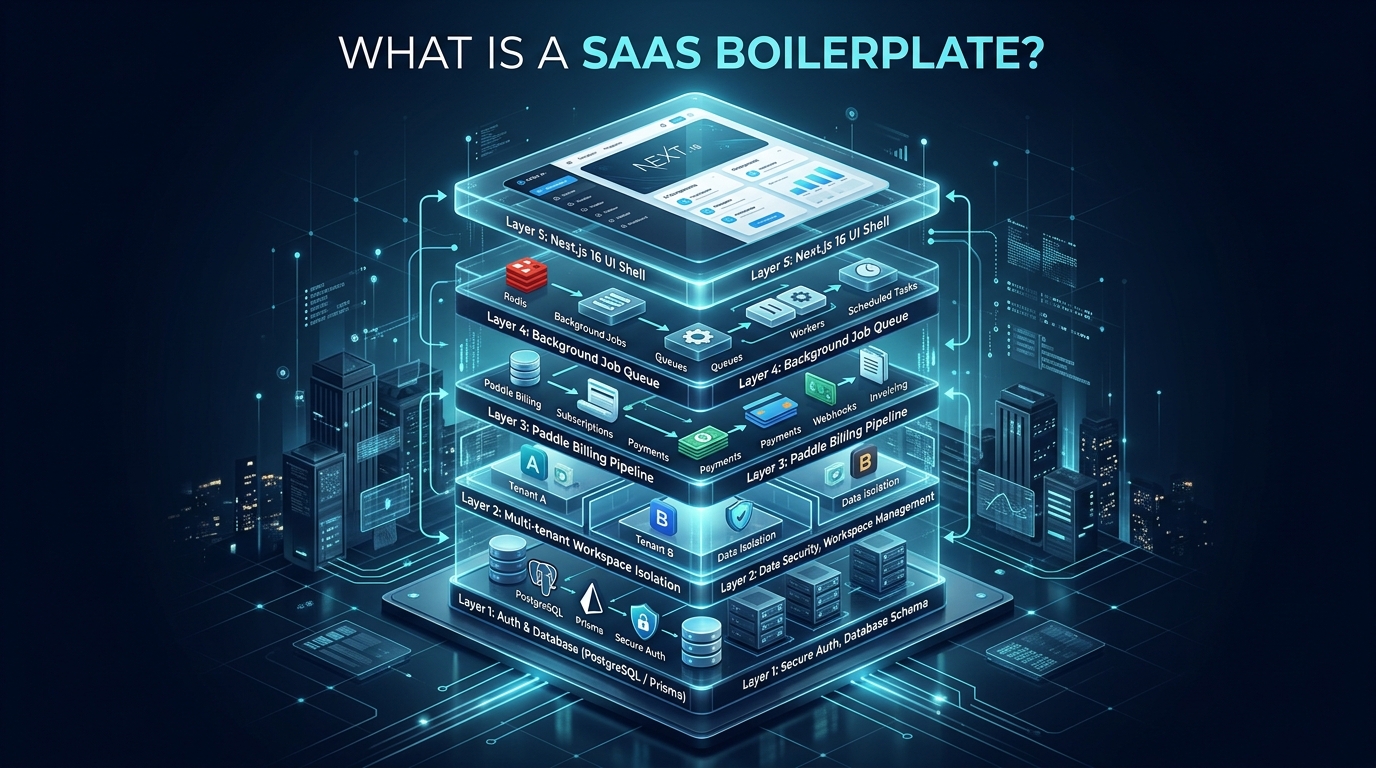
Learn what a SaaS boilerplate includes, how B2B foundations differ, and what to inspect before using a starter kit for your own paid software product.
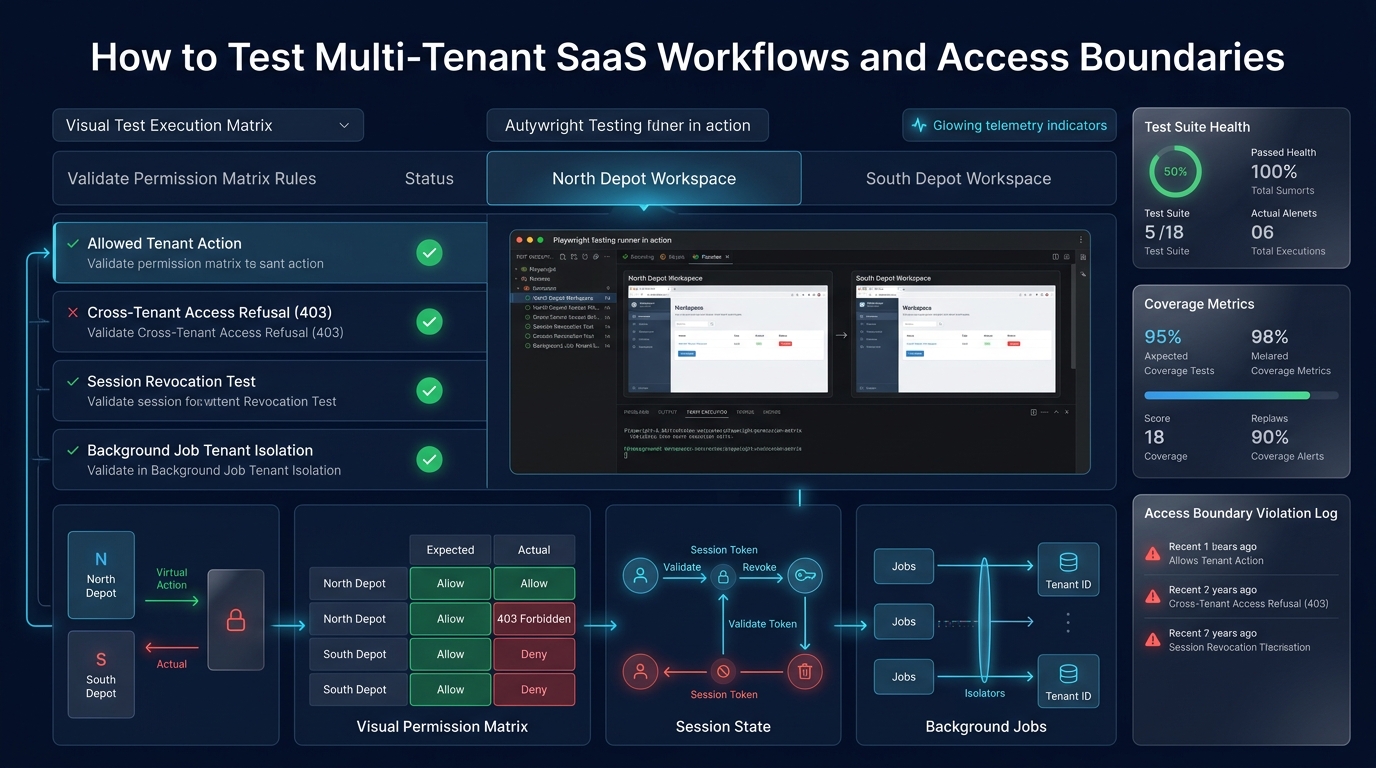
Test multi tenant SaaS workflows with realistic workspace fixtures, denied access cases, membership changes, background jobs, and meaningful release checks.
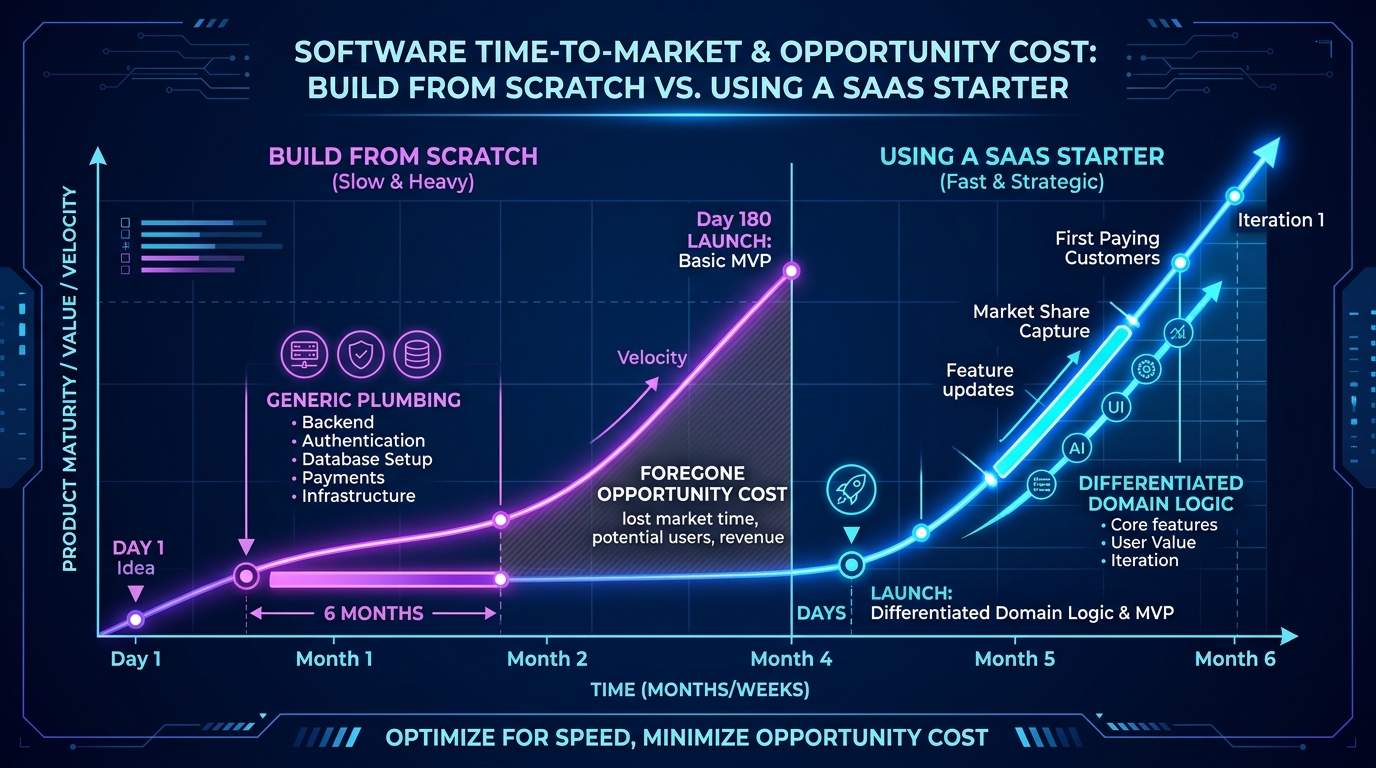
Compare a SaaS boilerplate with building from scratch using workflow fit, adaptation effort, maintenance, and a clearly labeled example cost model.
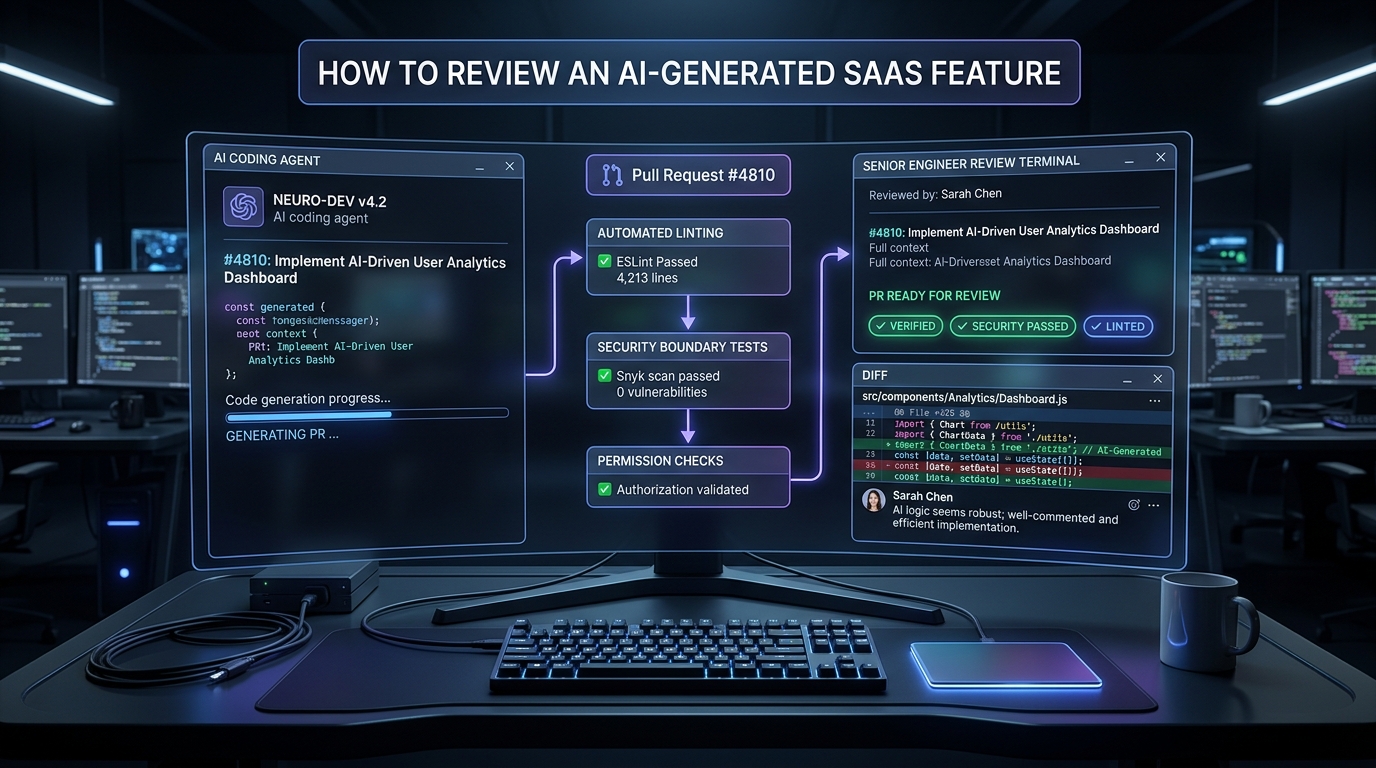
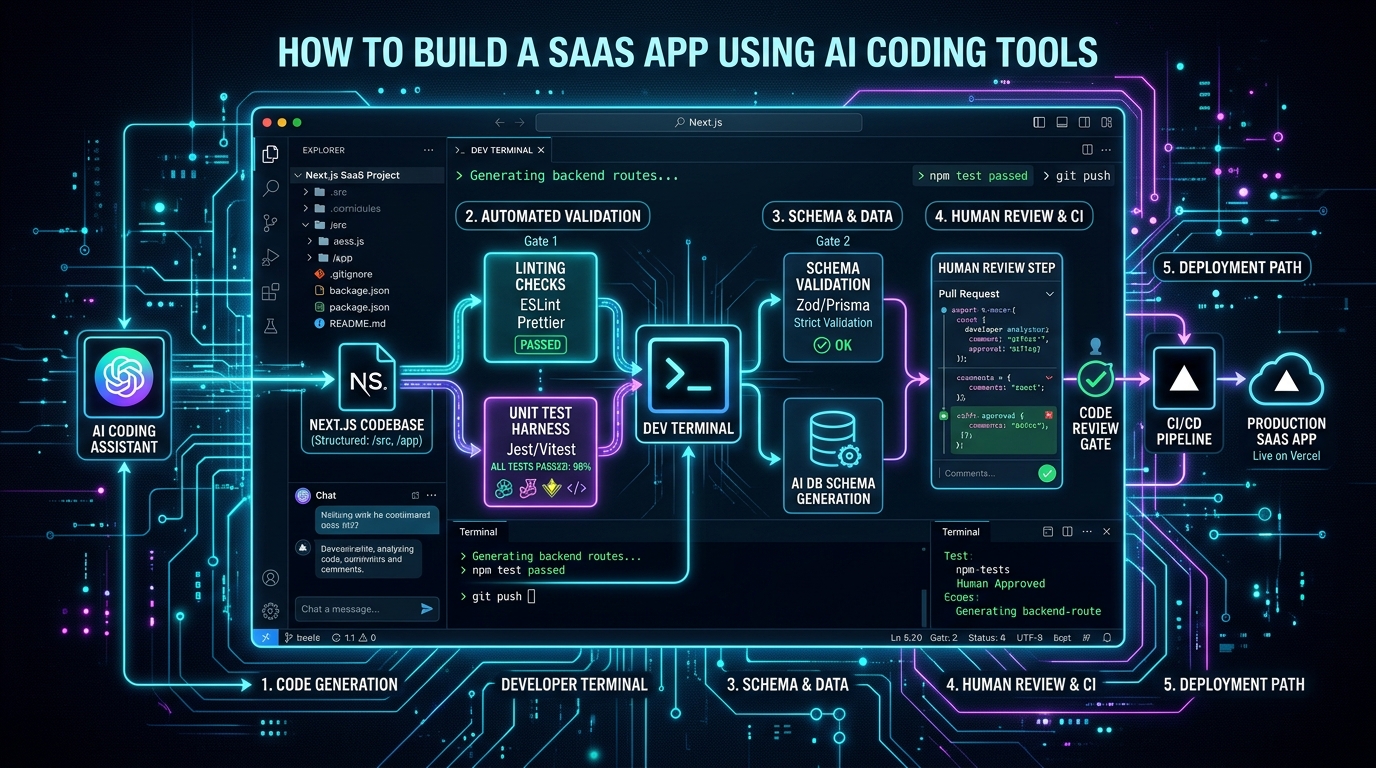
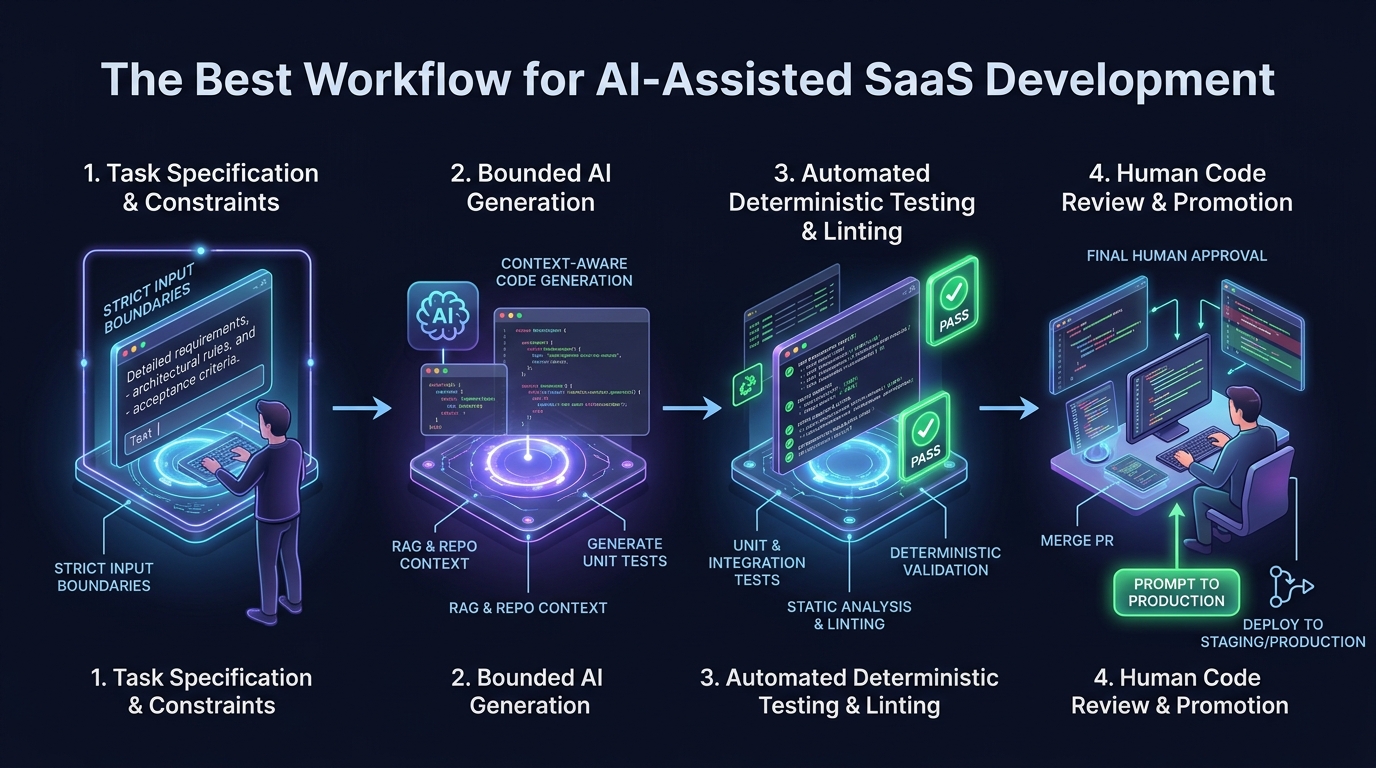
A practical review sequence for AI-generated SaaS changes: scope, workspace access, validation, migrations, real tests and human approval.
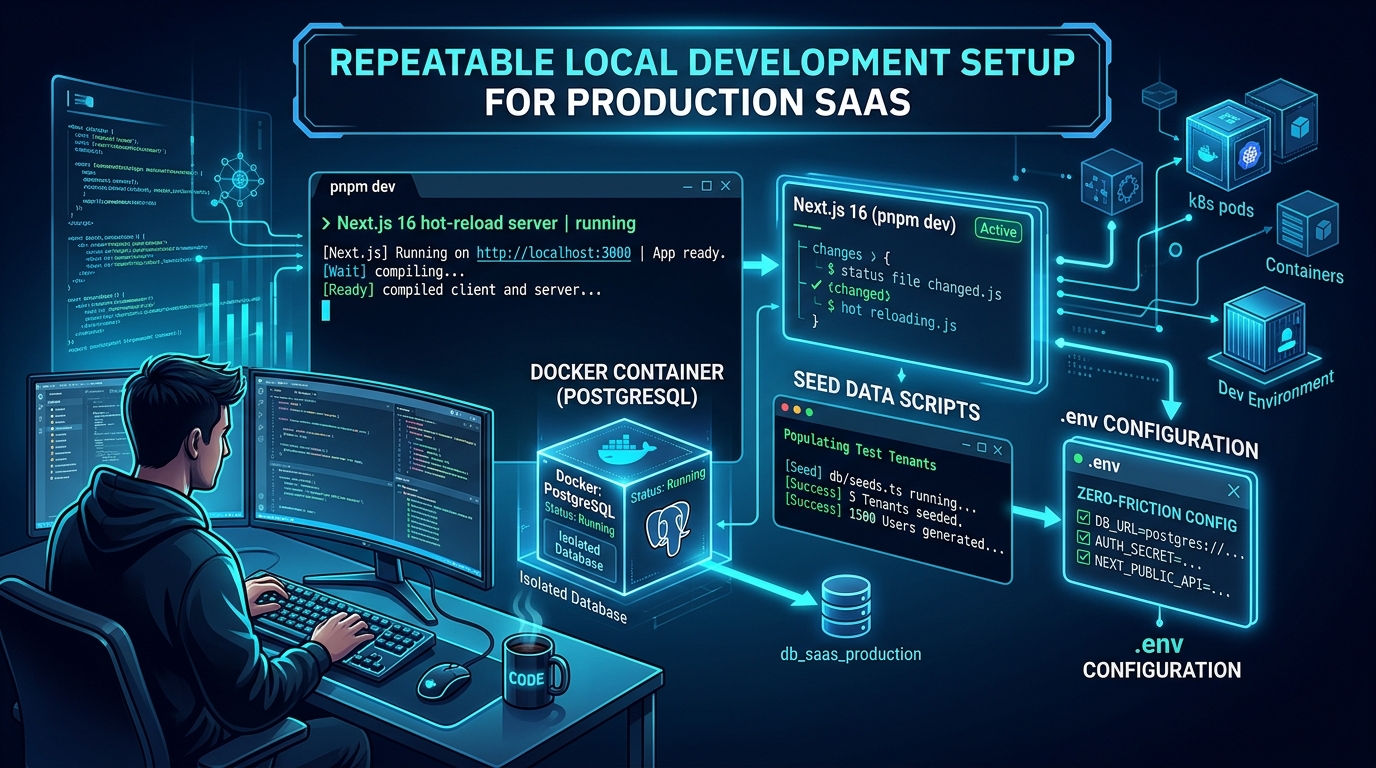
Create a repeatable SaaS local development setup with pinned tools, isolated services, synthetic data, clear provider modes, and a useful verification flow.
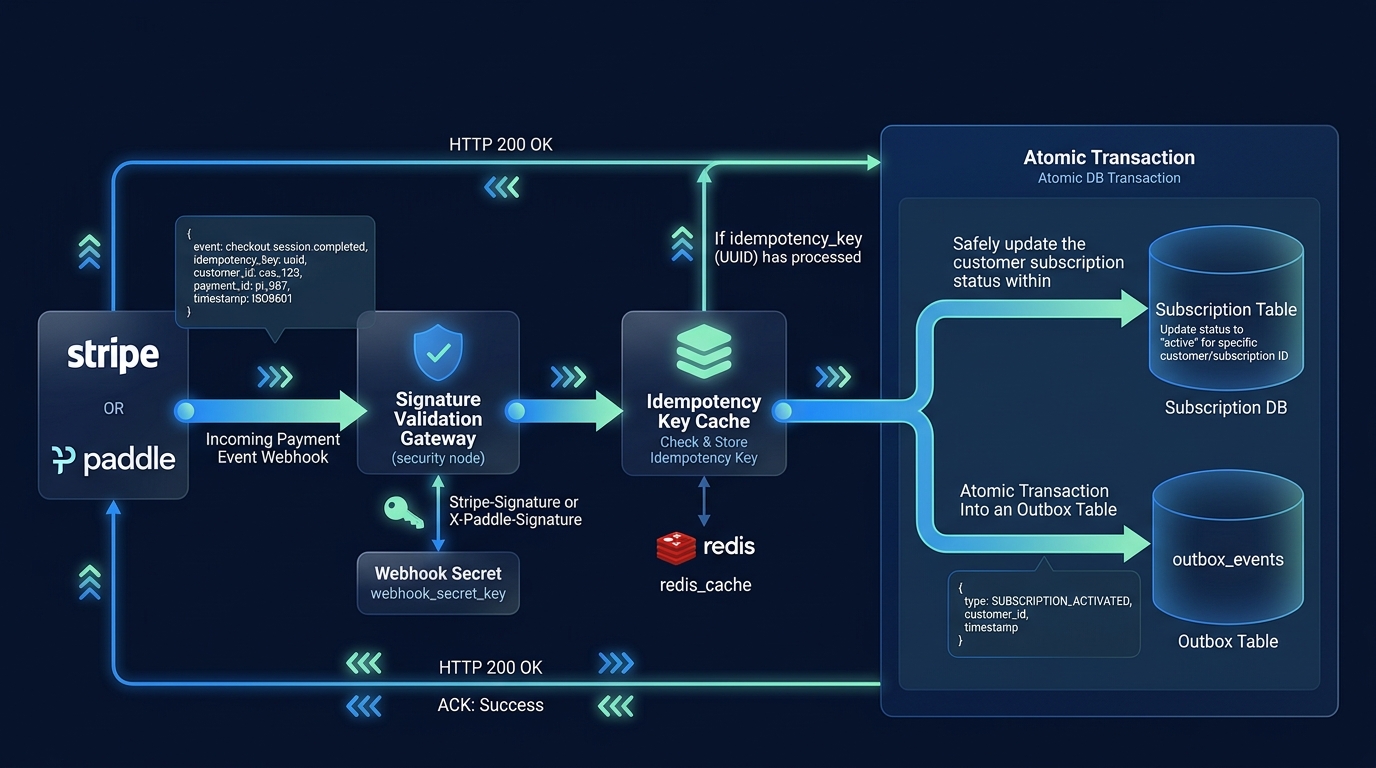
Make billing webhooks reliable with signature verification, durable receipts, idempotent processing, event ordering, safe side effects, and recovery.
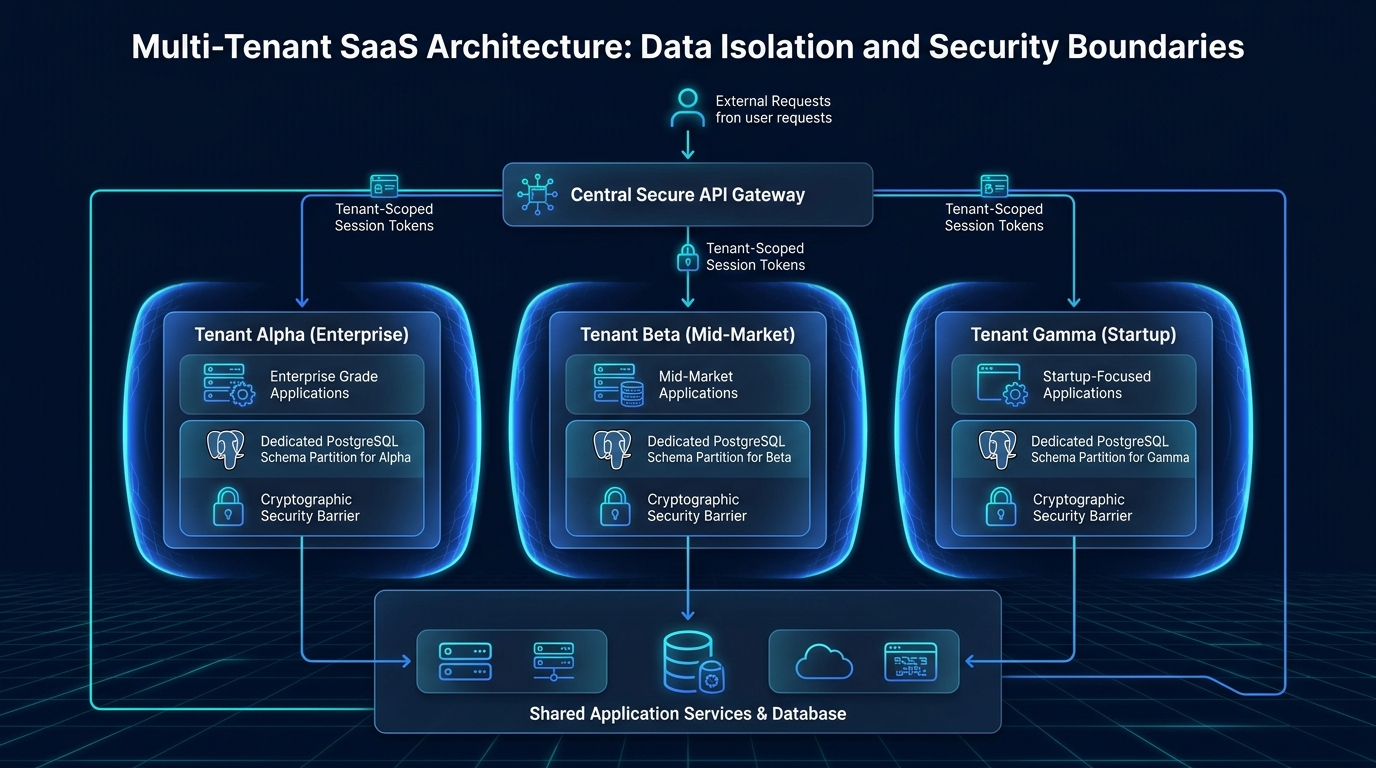
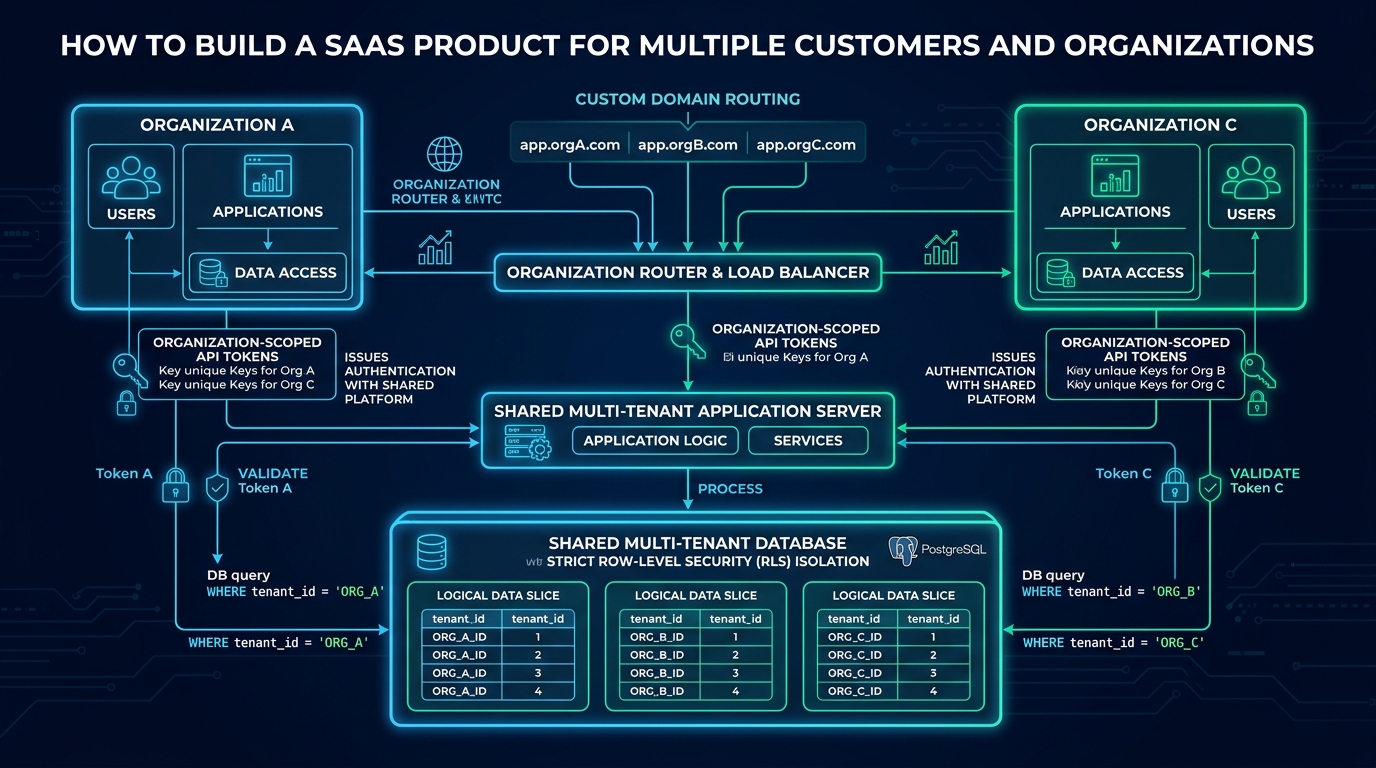
Compare multi tenant SaaS architecture options and learn how to preserve tenant isolation across databases, caches, files, exports, and background jobs.
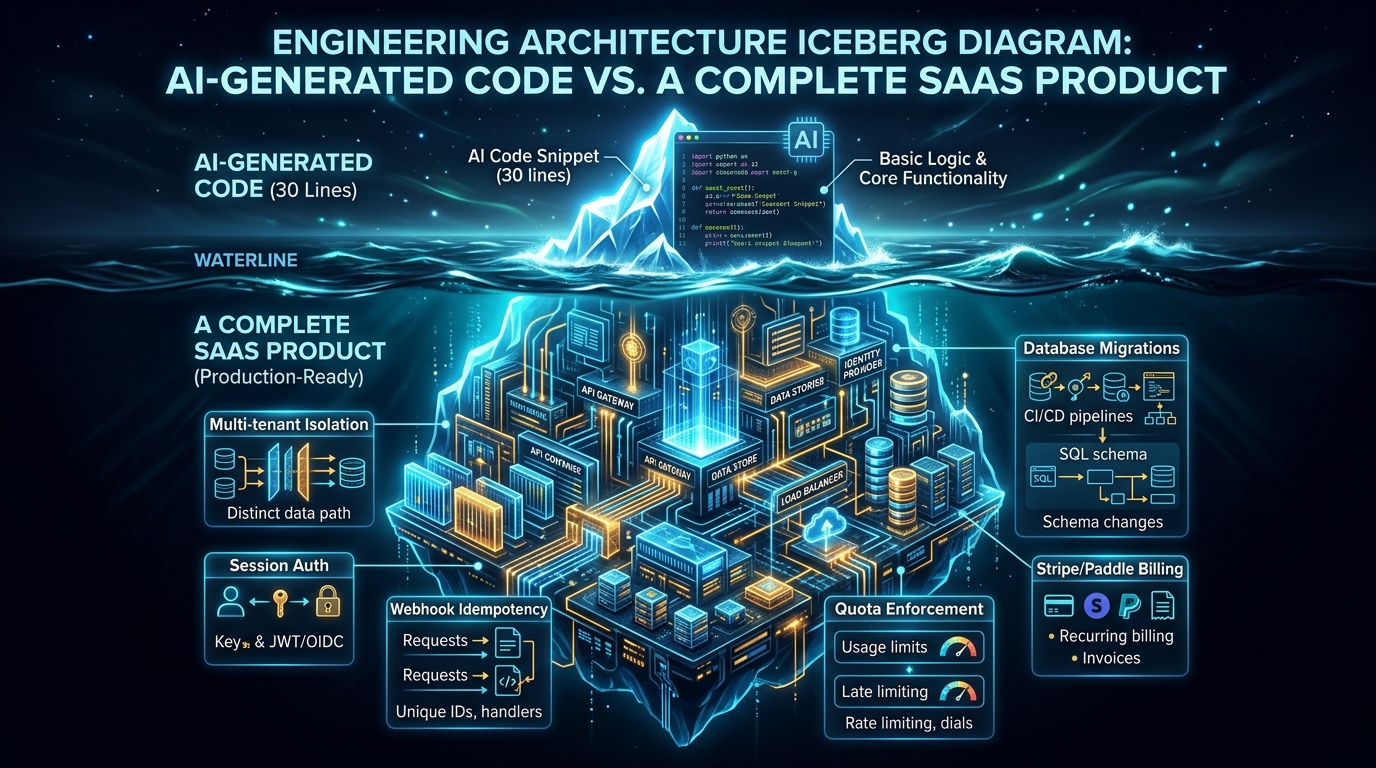
Compare the work around AI-generated code with a SaaS starter. A practical framework for evaluating setup, testing, adaptation and total effort.
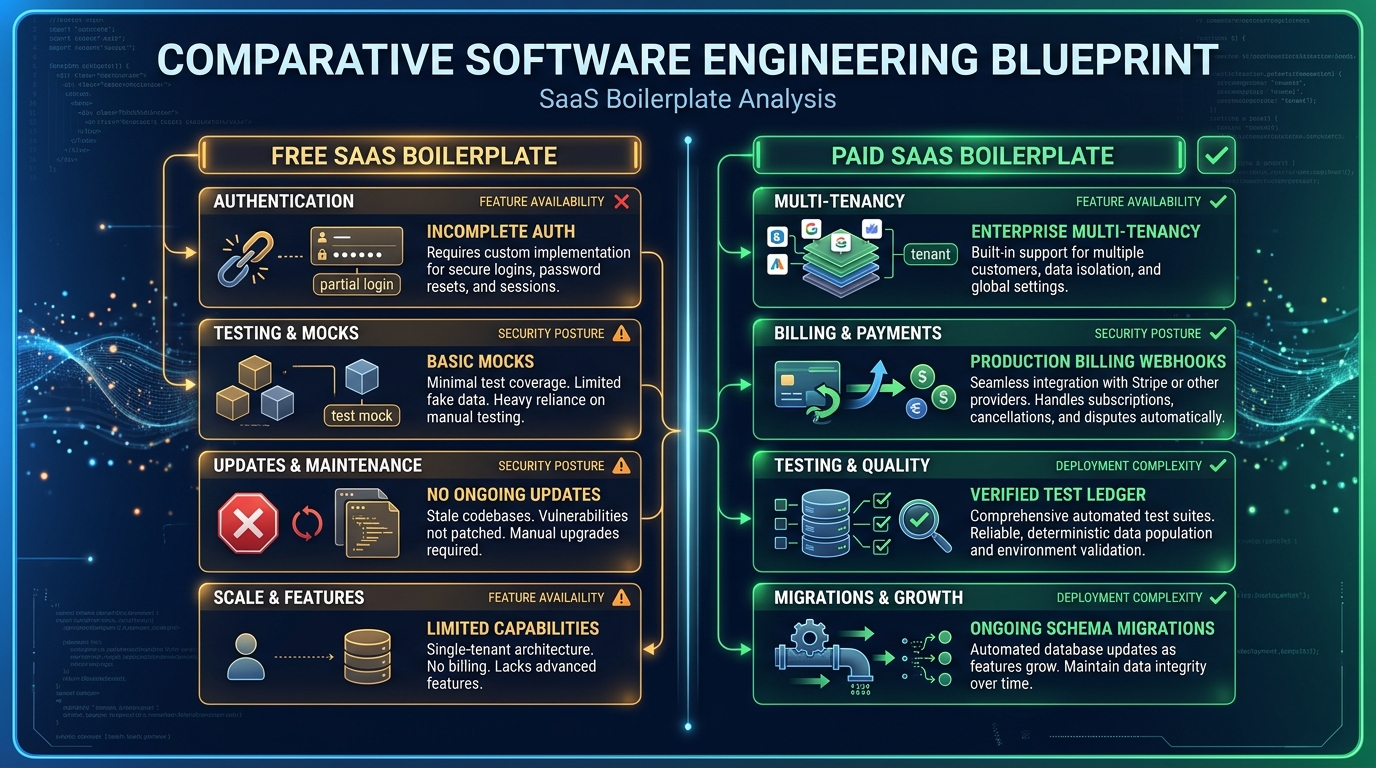
Developers can choose from free open-source starter projects and paid SaaS boilerplates.
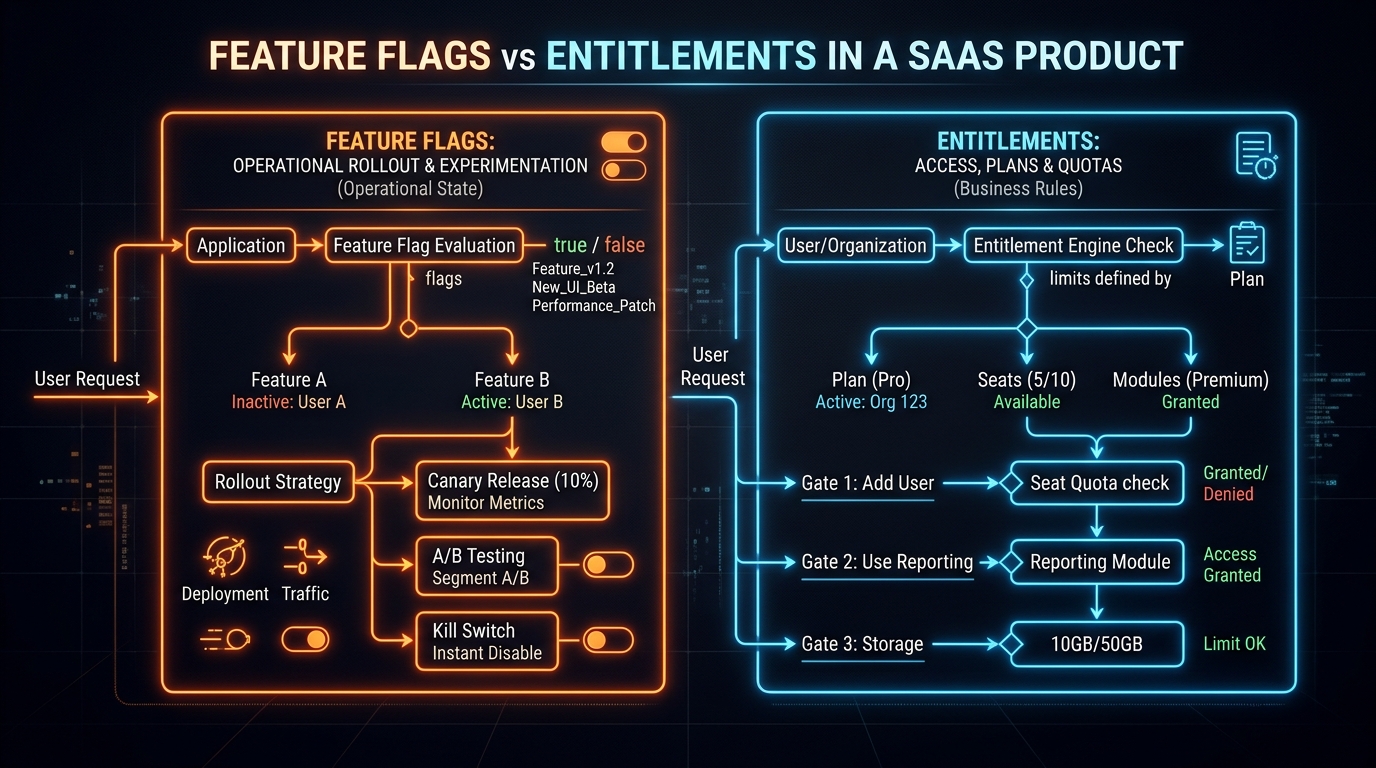
Compare feature flags vs entitlements and learn how release controls, paid access, user permissions, and usage quotas should work together in SaaS.
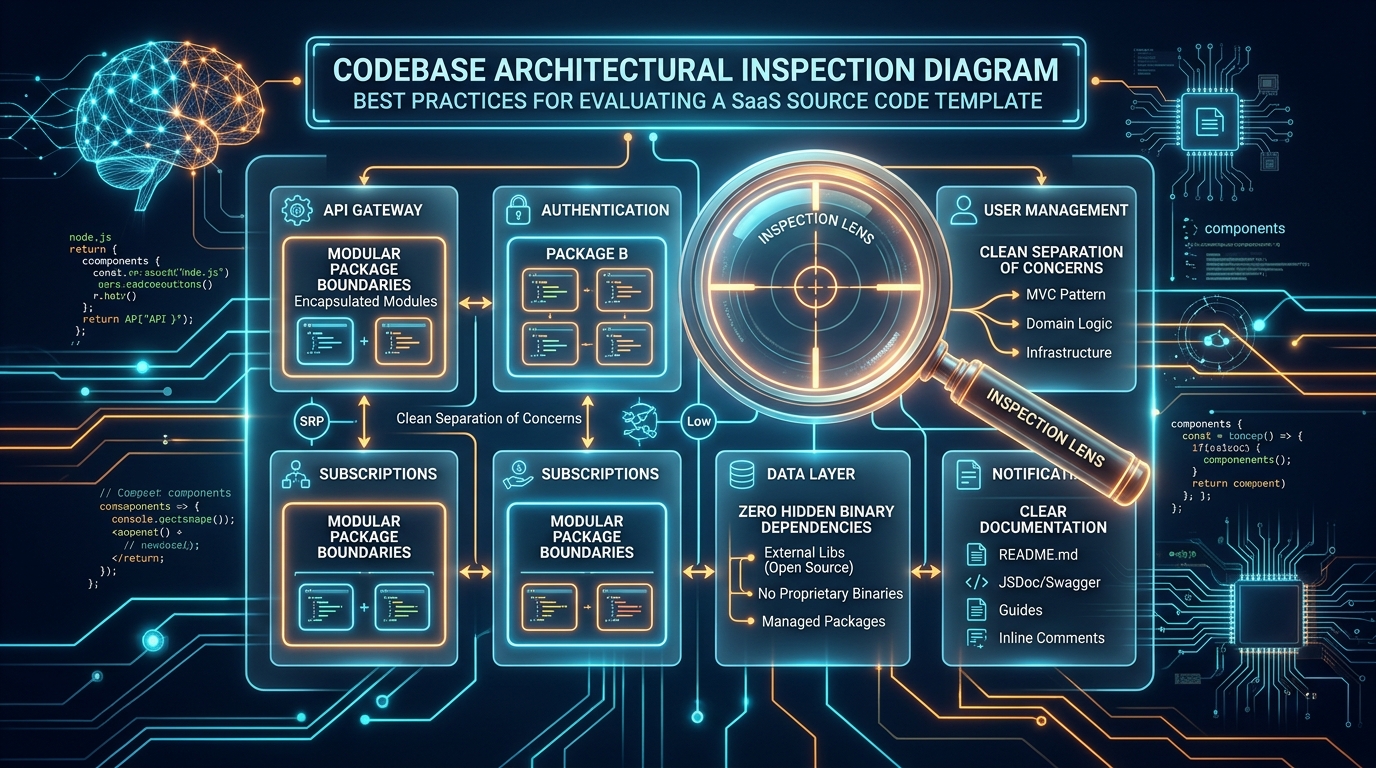
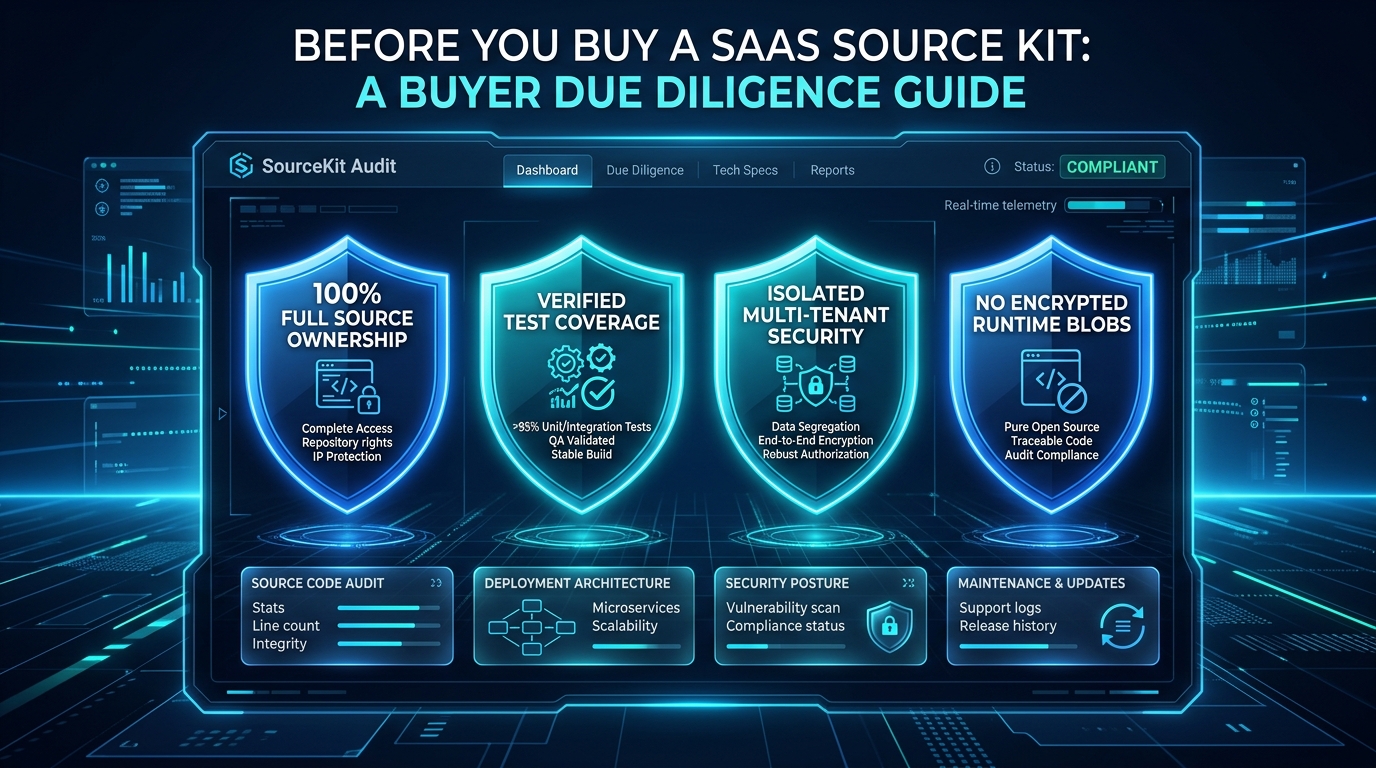
Buying a SaaS source code template can save time, but only if the codebase is suitable for your application and you understand its limitations.
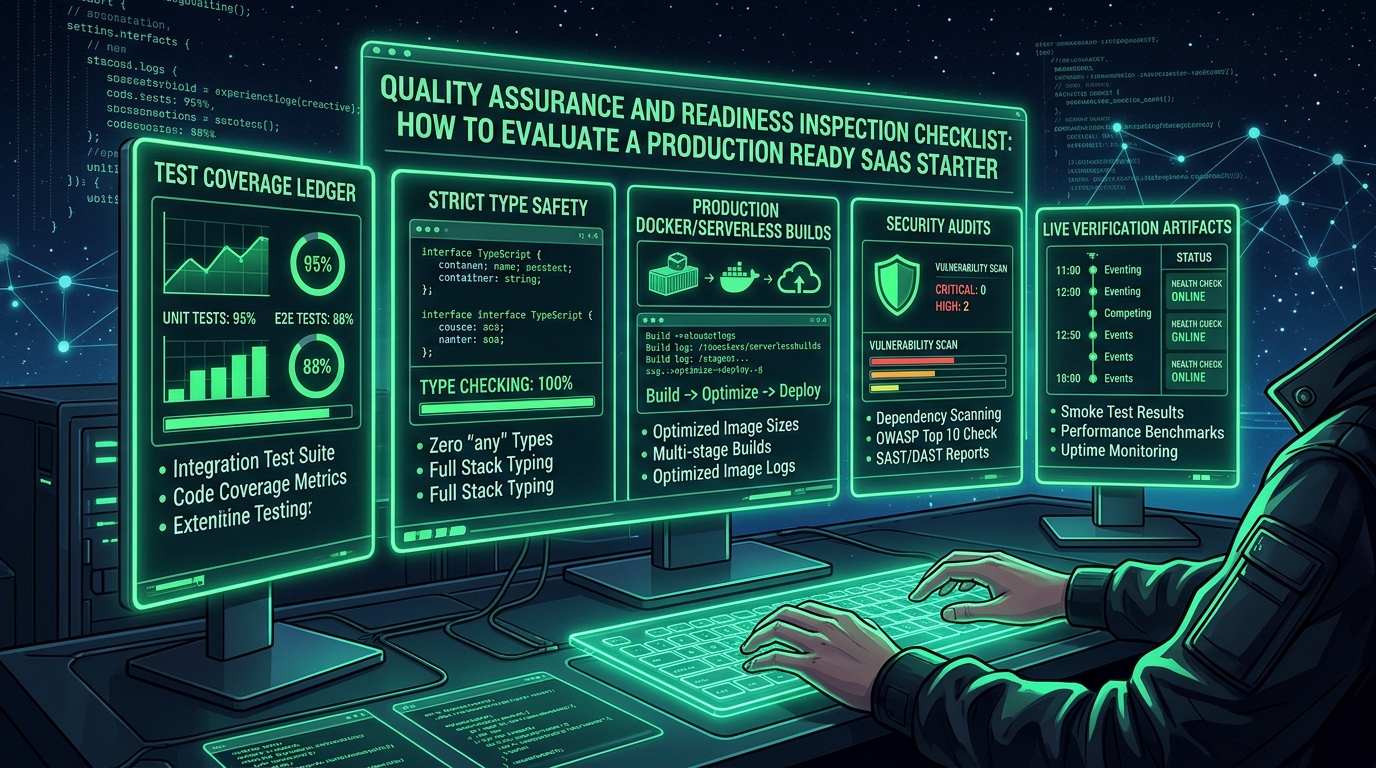
Evaluate a production ready SaaS starter with workflow evidence, tenant isolation checks, billing recovery, deployment review, and a clear release gap list.
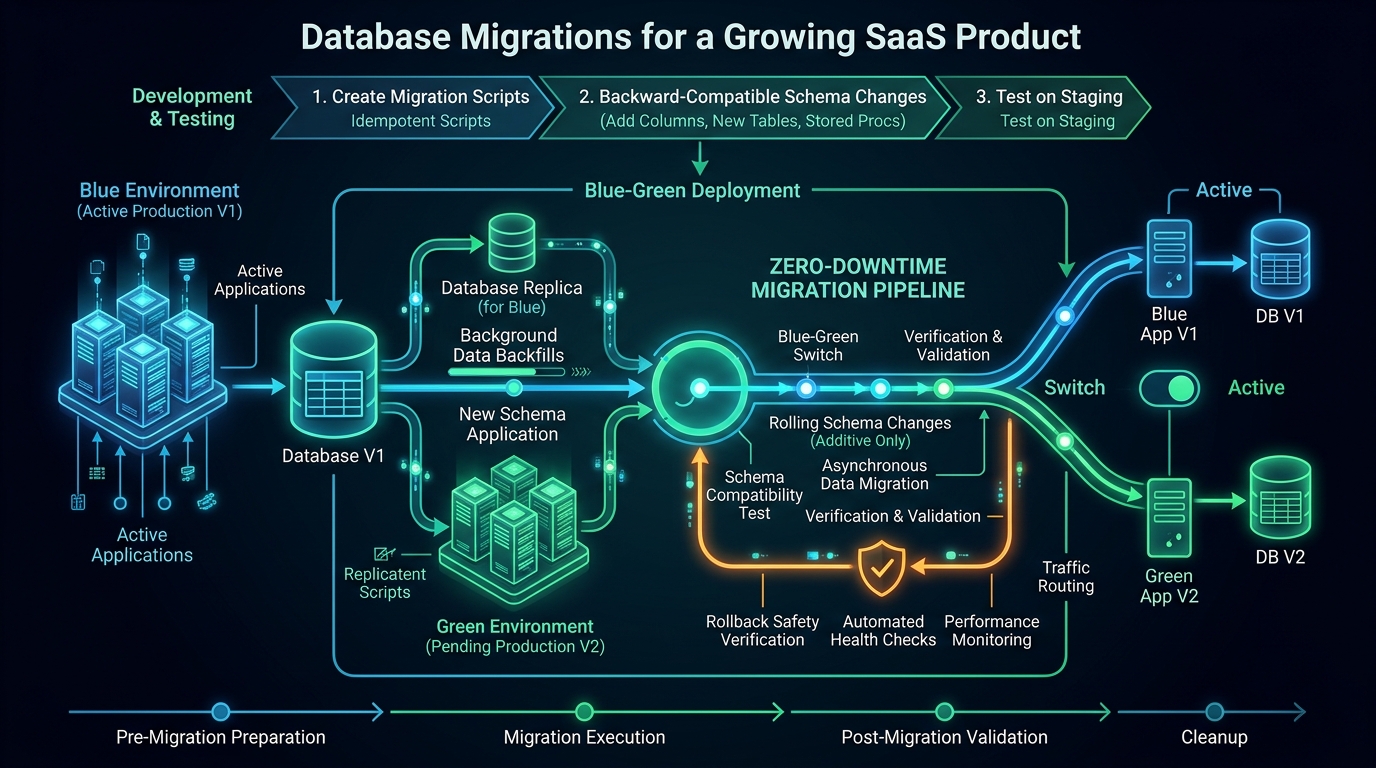
Plan safer SaaS database migrations with compatible schema changes, controlled backfills, release sequencing, verification, and a realistic recovery procedure.
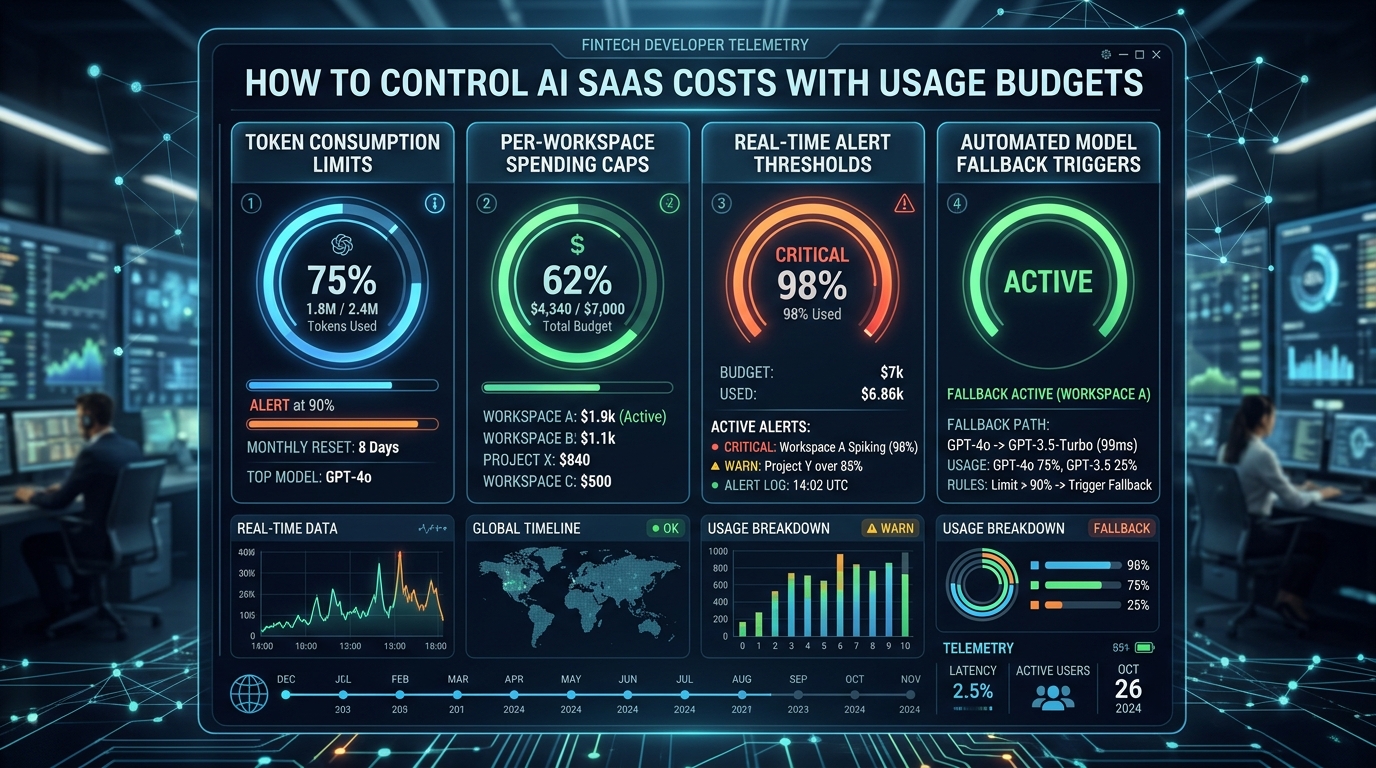
Control AI SaaS costs with understandable allowances, budget reservations, bounded retries, usage reconciliation, and cost tracking for each workflow.
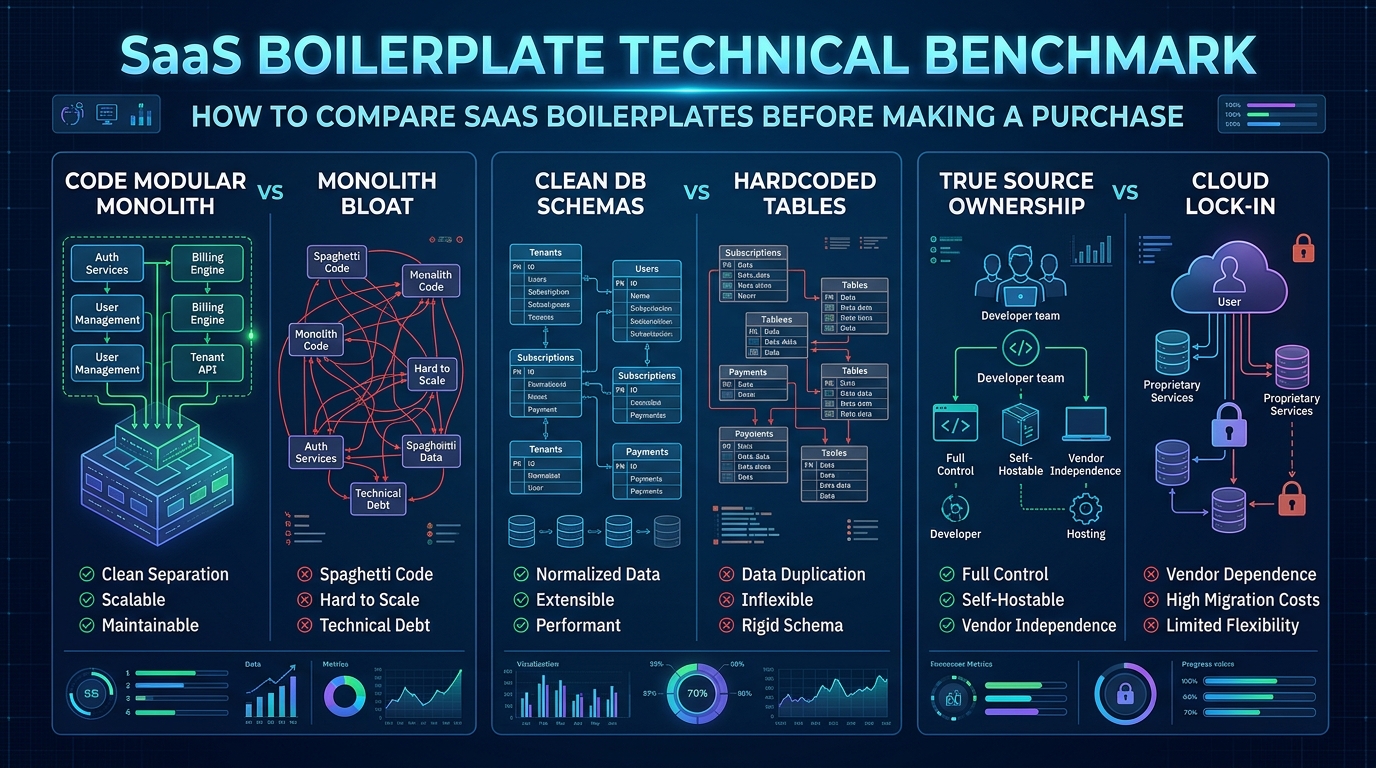
Comparing SaaS boilerplates requires more than looking at screenshots, technology logos, or advertised feature counts.
Buying commercial source code can accelerate development, but the license determines how you may use, modify, deploy, and distribute the software.
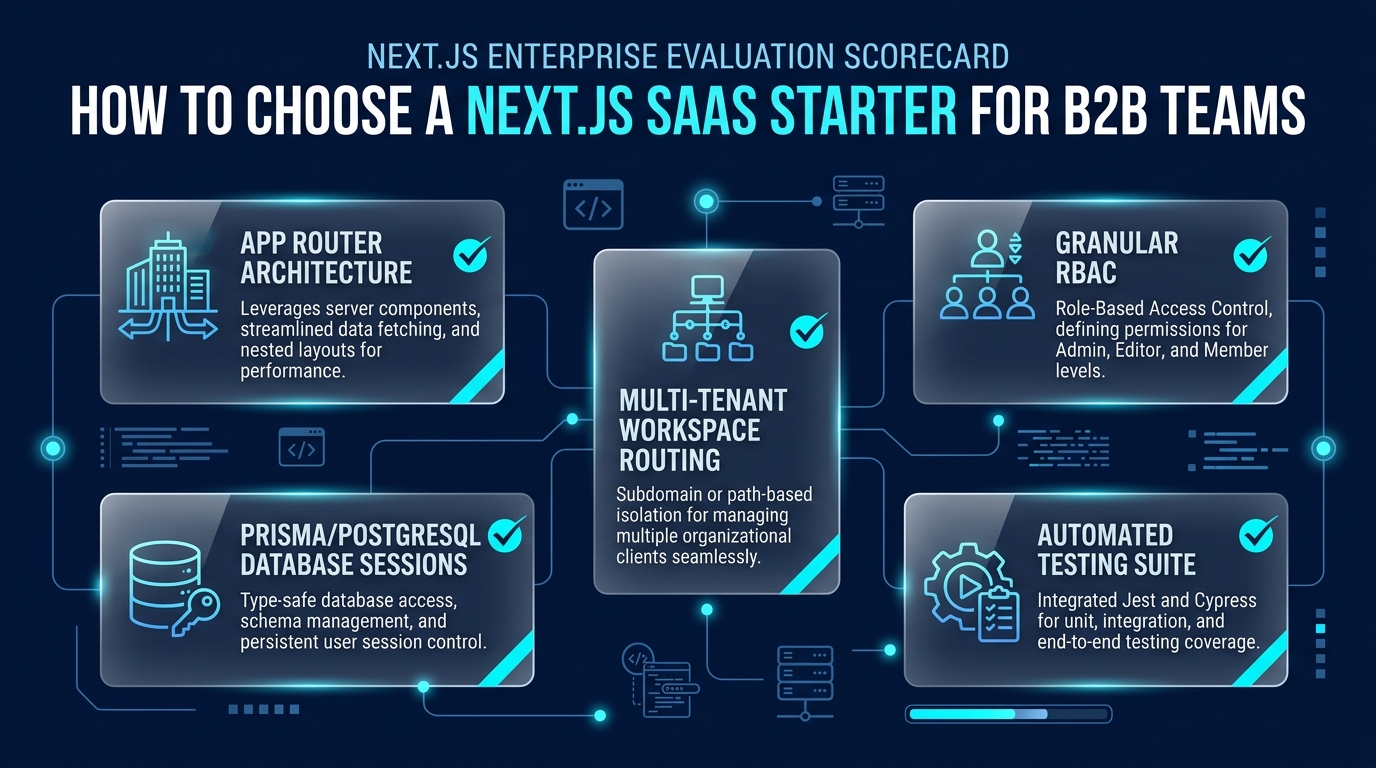
Choose a Next.js SaaS starter by checking B2B workspaces, billing, extension points, deployment needs, and evidence behind the features you will depend on.
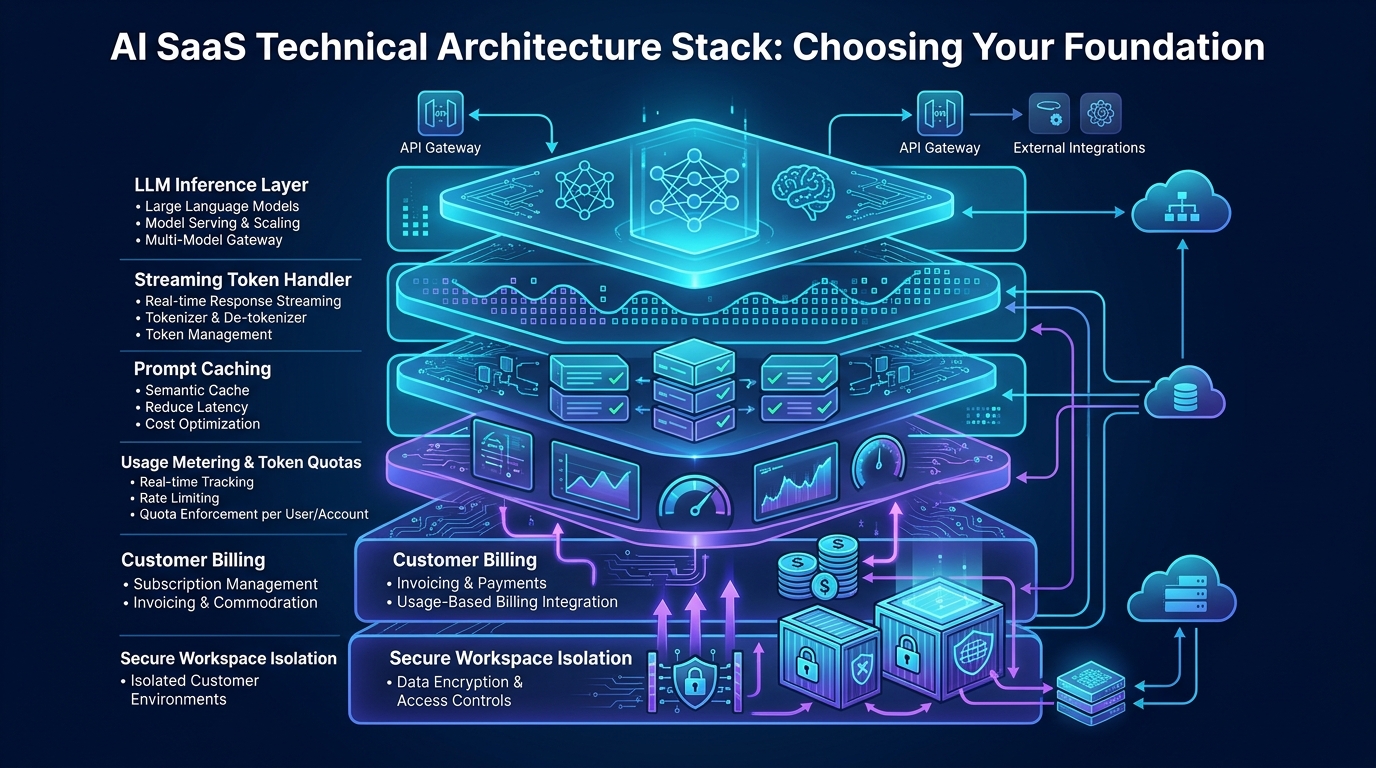
Choose an AI SaaS foundation with clear customer boundaries, model workflow control, output validation, usage accounting, and practical operating support.
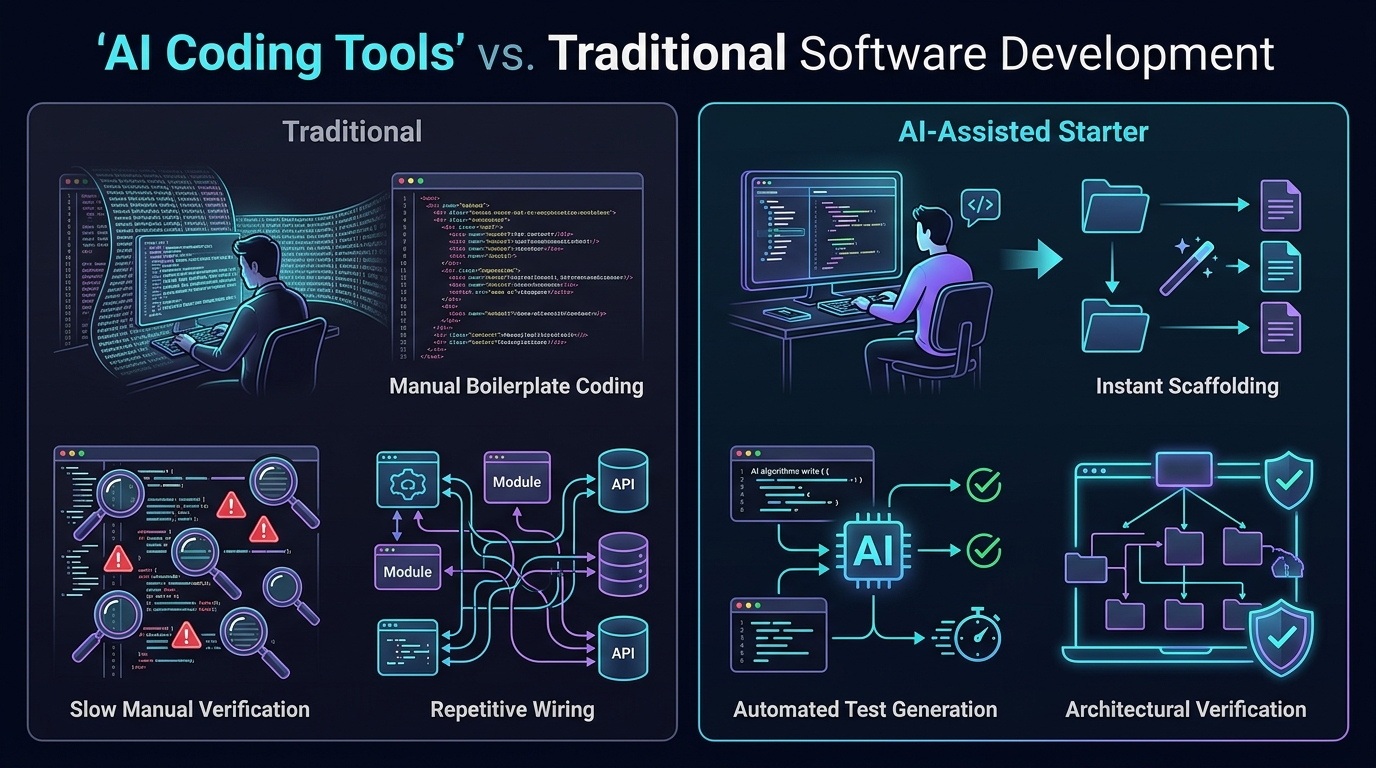
AI coding tools can assist with many stages of SaaS development, including interface implementation, database models, API endpoints, tests, and documentation.
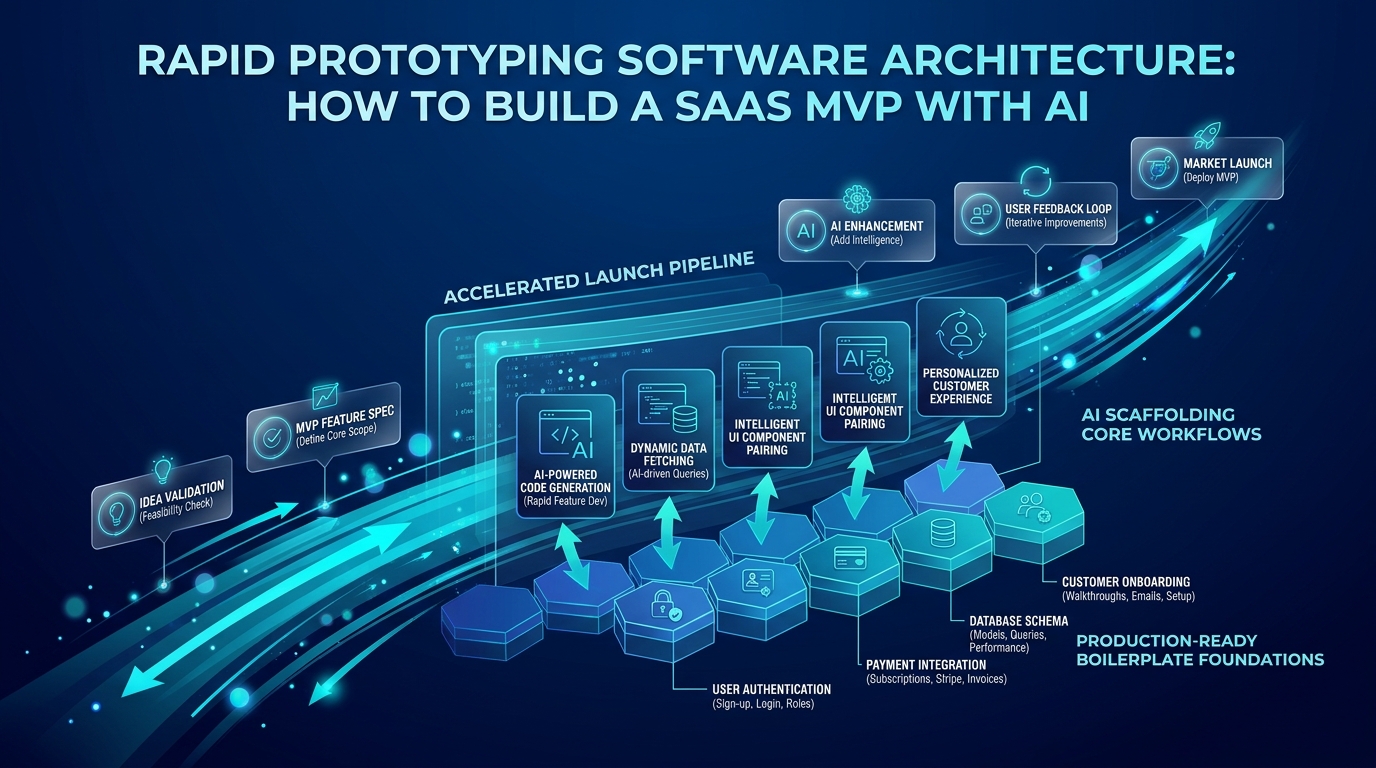
A minimum viable product should test a meaningful business hypothesis with the smallest practical implementation.
Many B2B products serve several companies through a shared application.
Build a SaaS app with AI one workflow at a time: define scope, check workspace permissions, test failure cases and prepare a reversible release.
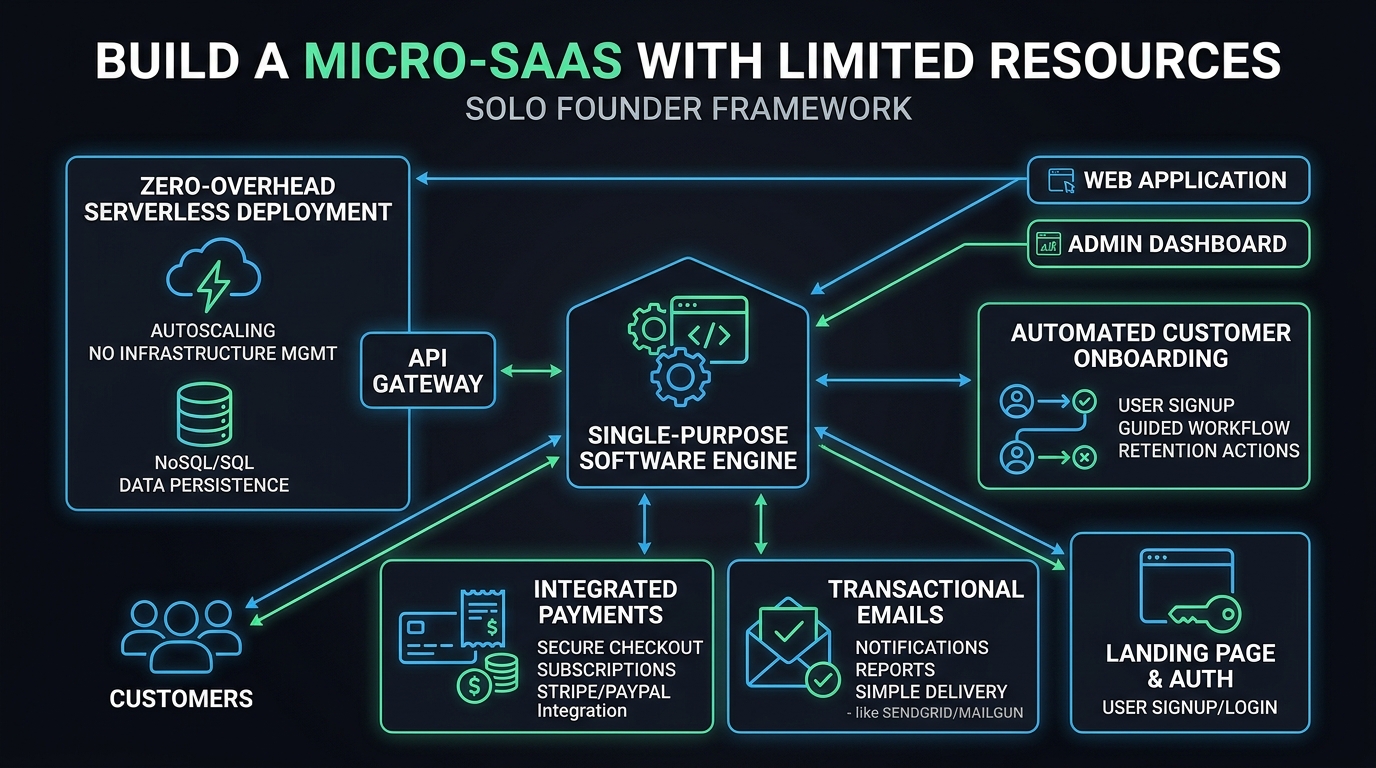
A micro-SaaS product focuses on a narrow problem and typically operates with a small team.
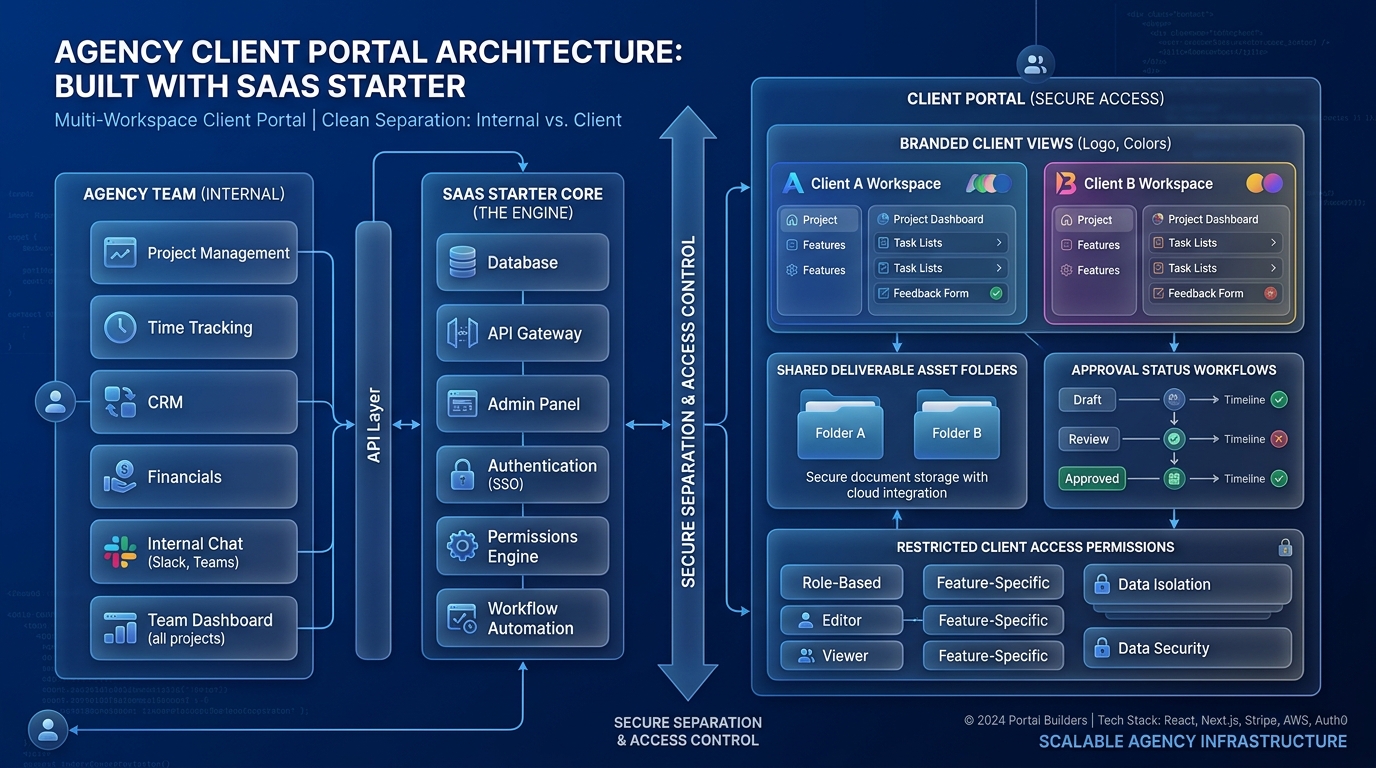
Build a client portal with a SaaS starter by mapping client workspaces, permissions, deliverable versions, file access, approvals, and onboarding.
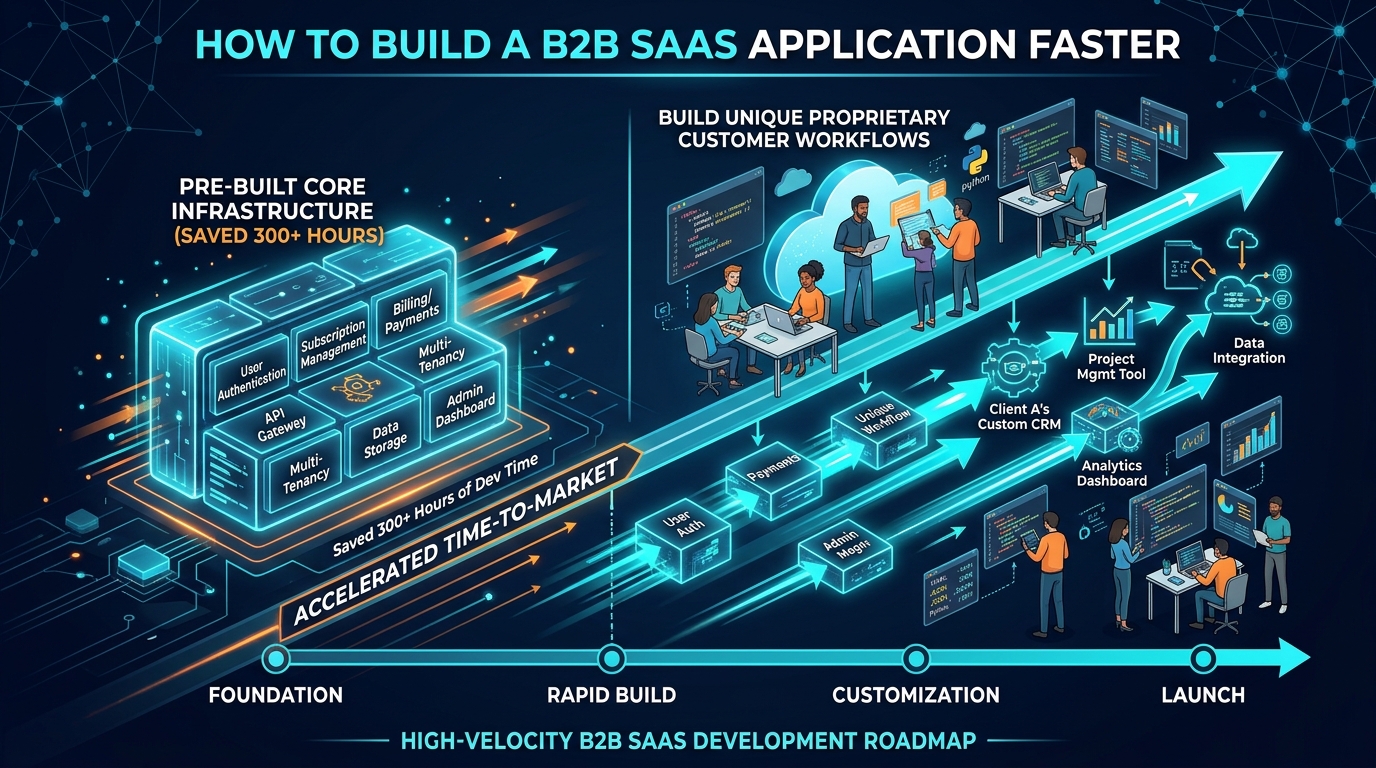
Learn how to accelerate B2B SaaS development by reusing common infrastructure, prioritizing workflows, and validating integrations before launch.
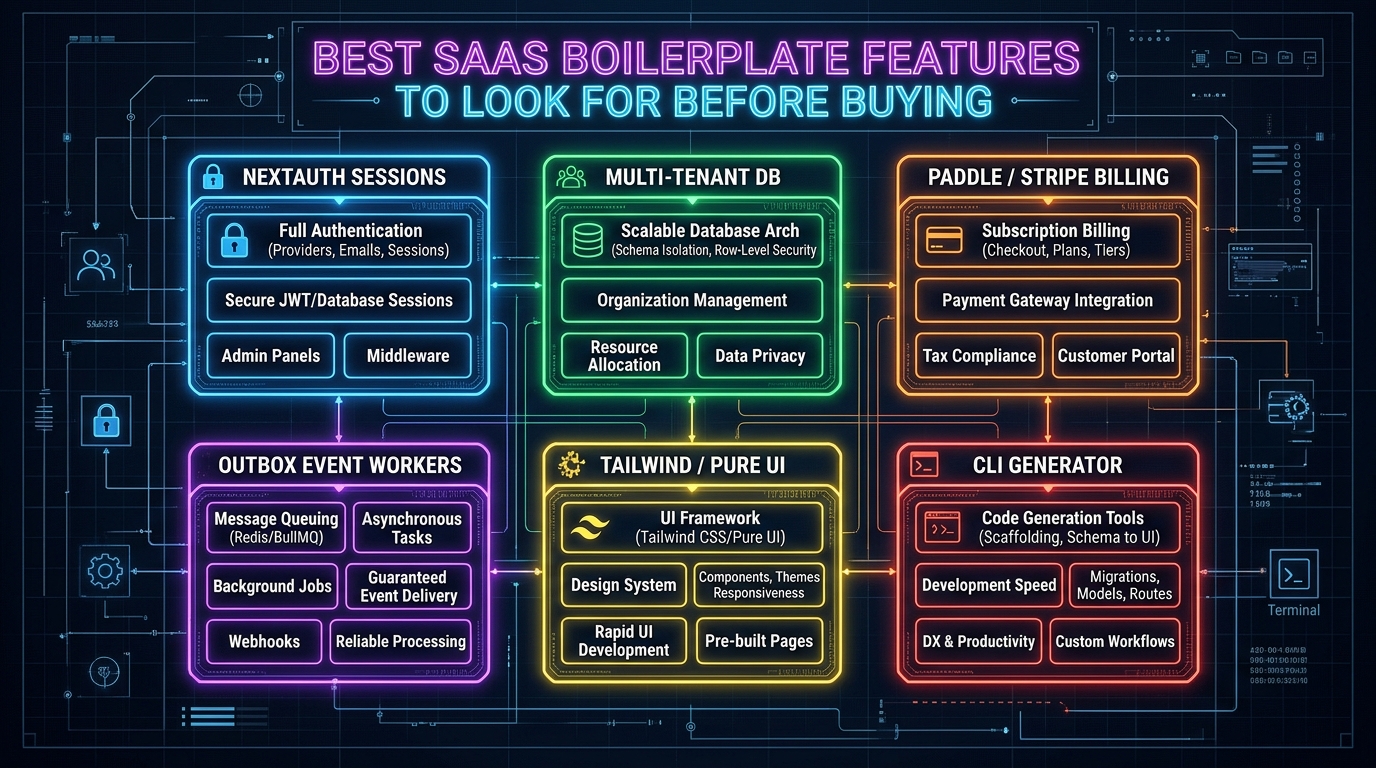
Discover the essential SaaS boilerplate features to evaluate before buying, from authentication and billing to multi-tenancy, testing, and deployment.
Check the app, source rights, setup, billing scope, updates and first custom feature before buying a commercial SaaS starter. Know what remains your work.
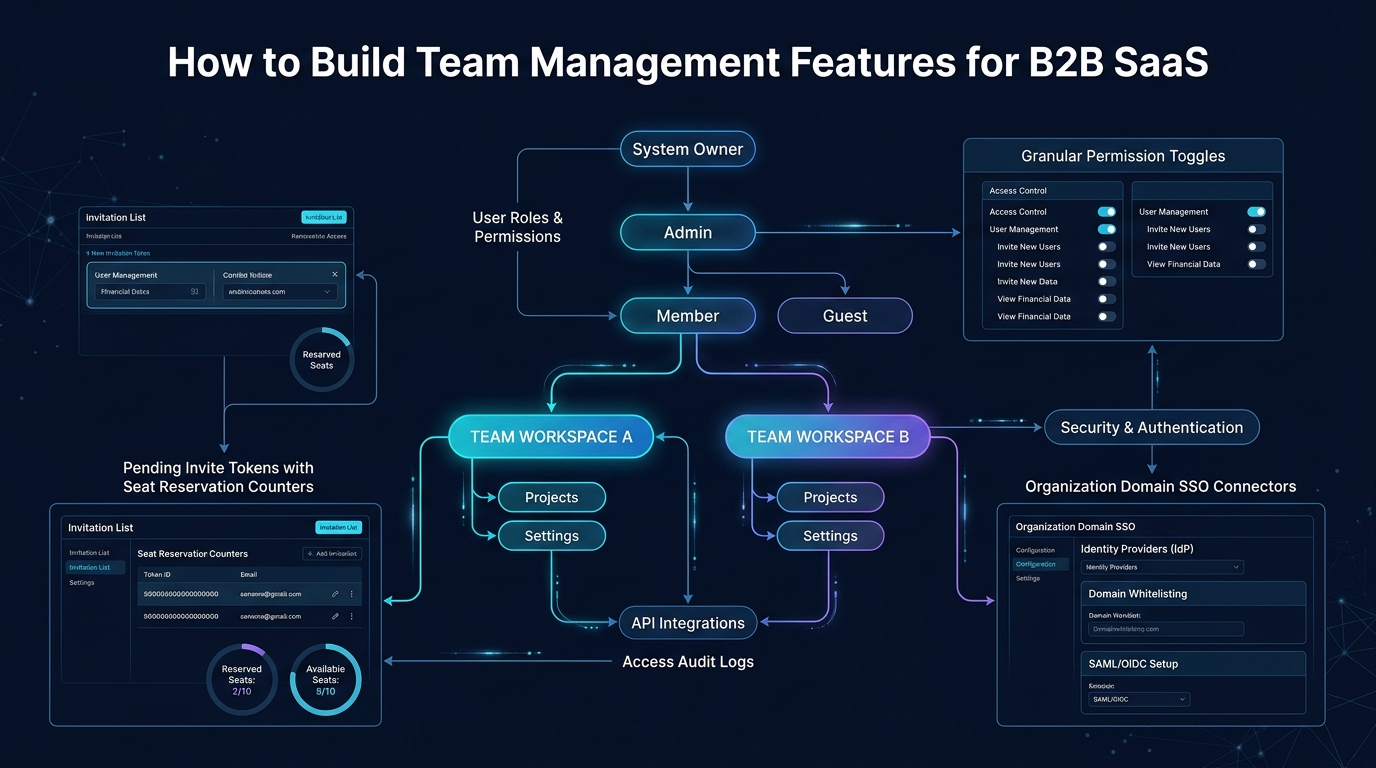
B2B customers often need to collaborate through shared workspaces.
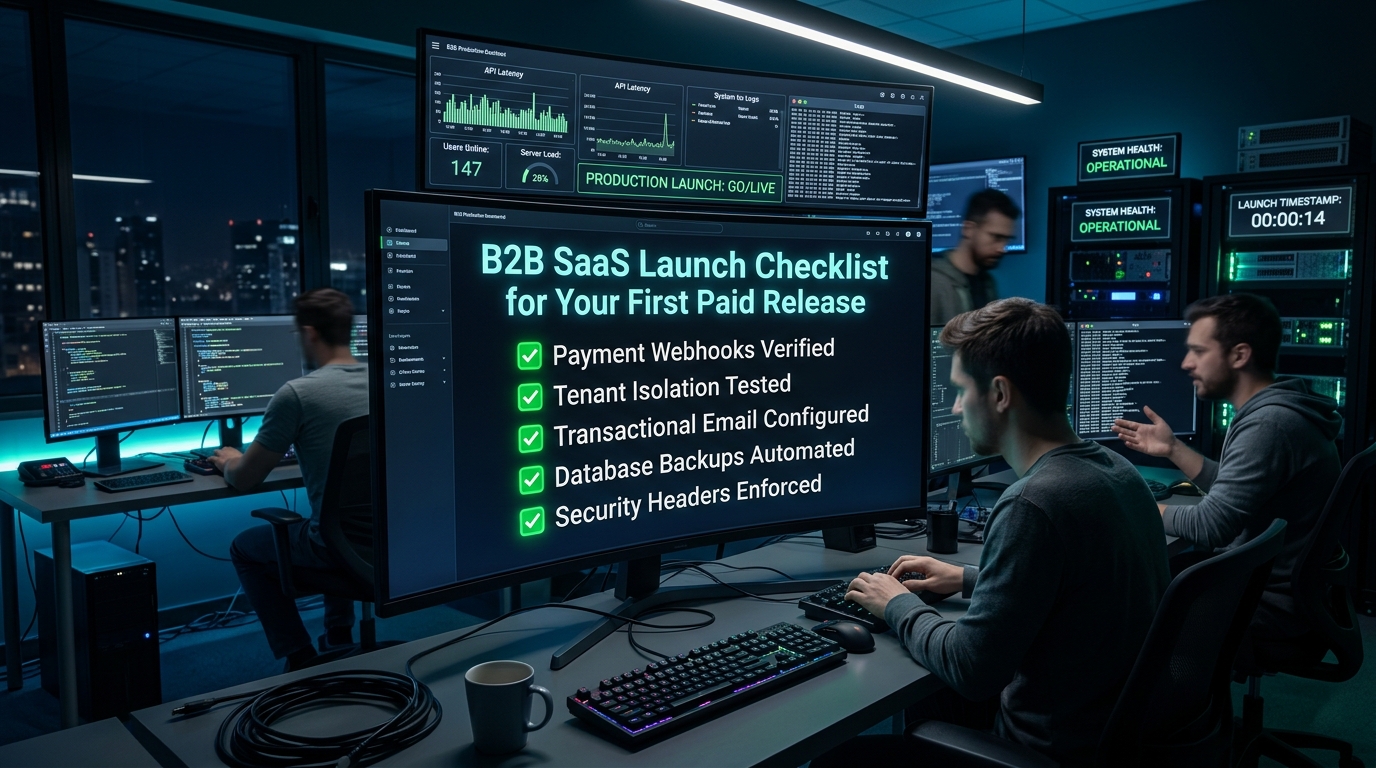
Prepare your first paid B2B SaaS release with a clear scope, verified billing and access, useful onboarding, support ownership, and a controlled launch plan.
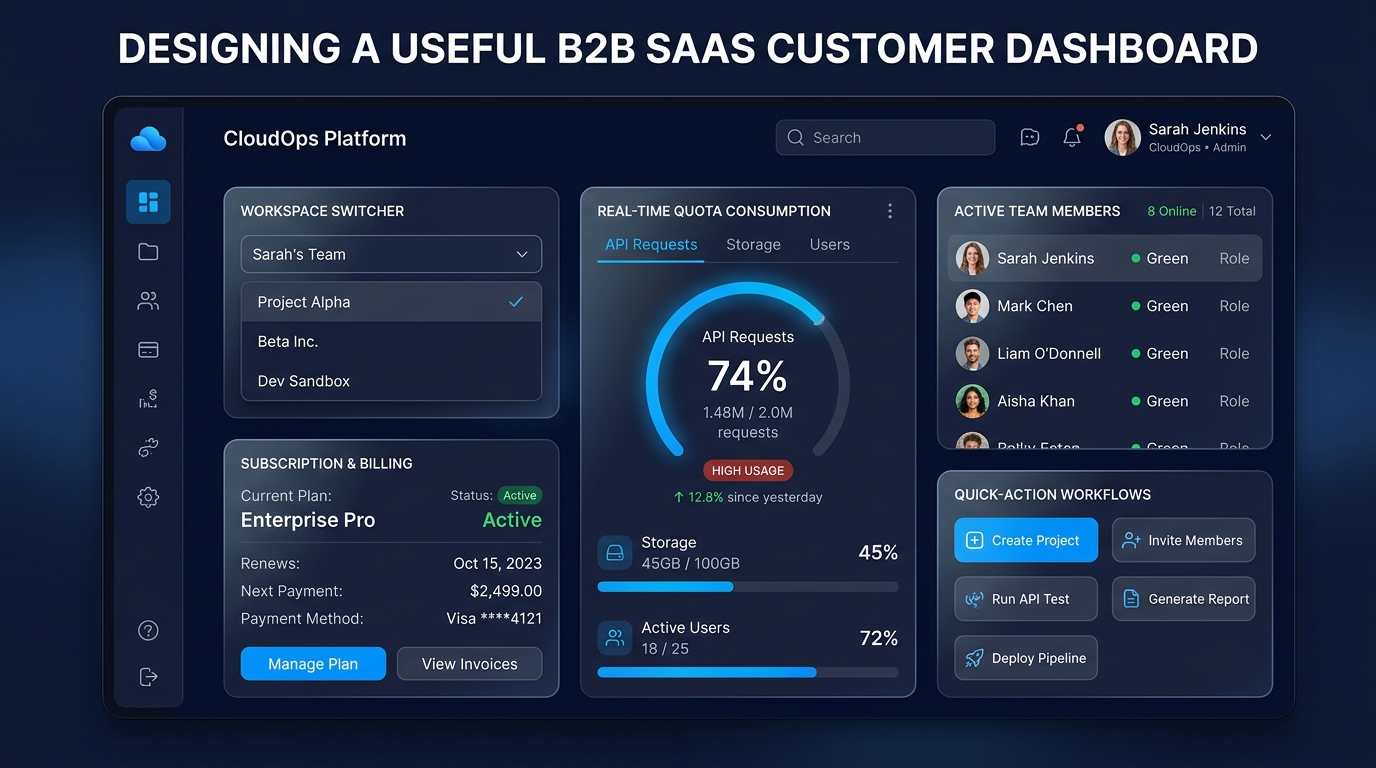
Design a B2B SaaS customer dashboard with clear next actions, workspace context, useful status, accessible tables, and honest usage and billing information.
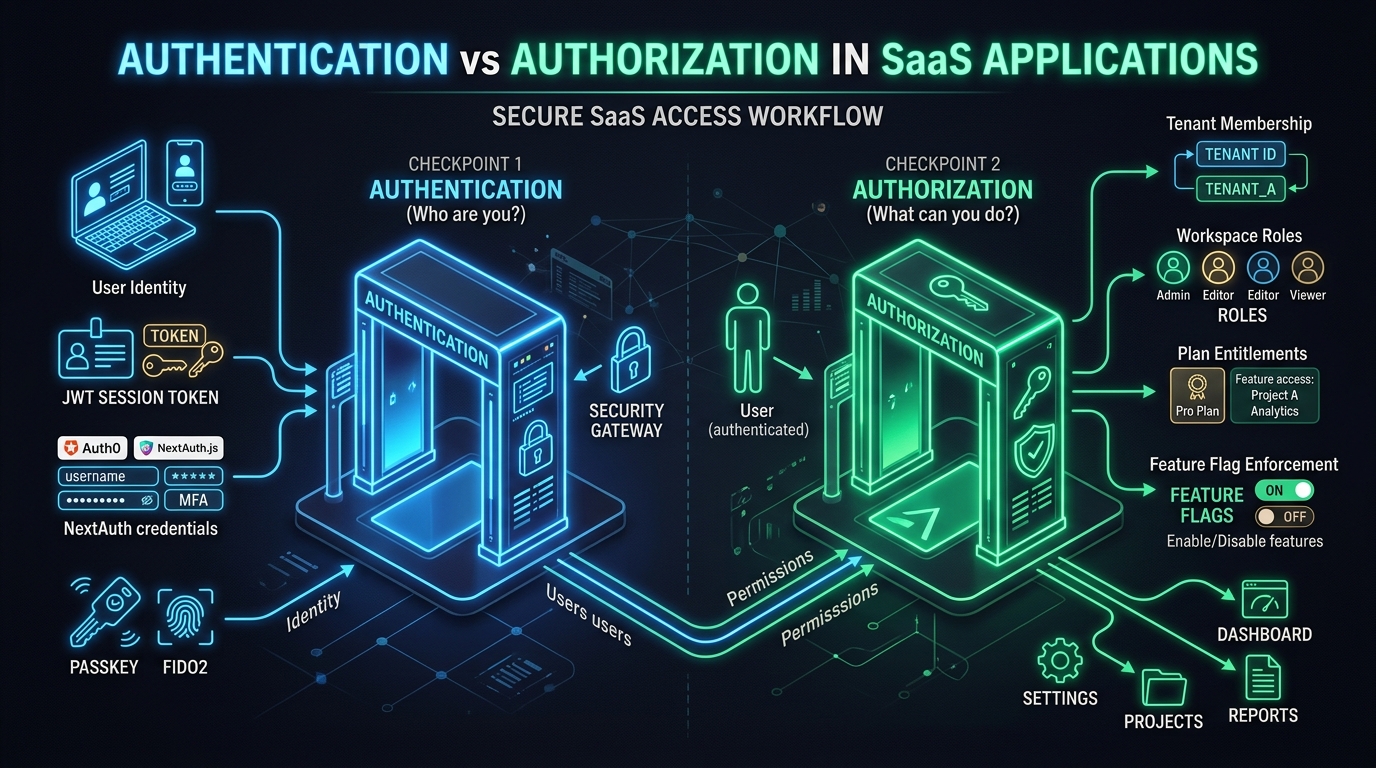
Understand authentication vs authorization in SaaS, including sessions, workspace membership, resource access, paid entitlements, and server checks.
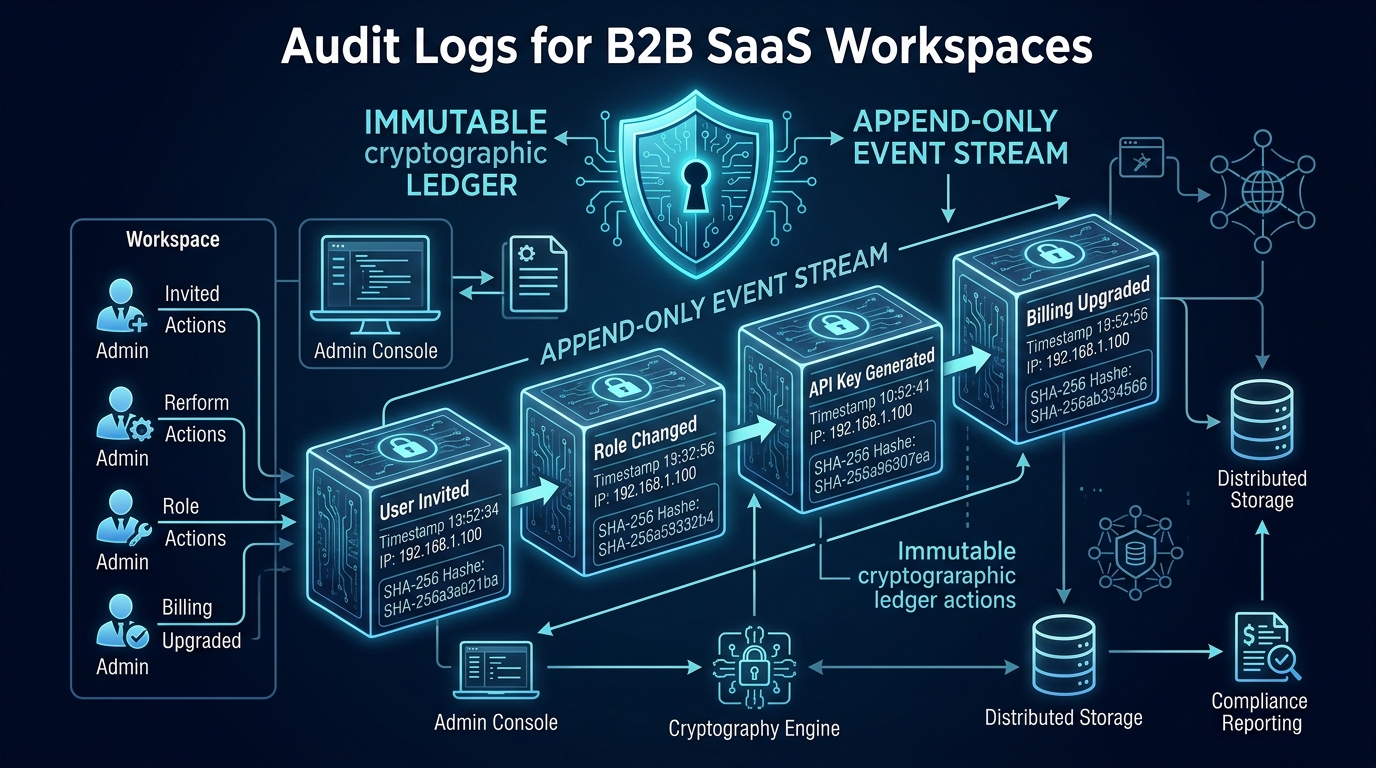
Design SaaS audit logs with clear actors, workspace scope, dependable event capture, controlled access, and useful investigation tools for B2B customers.
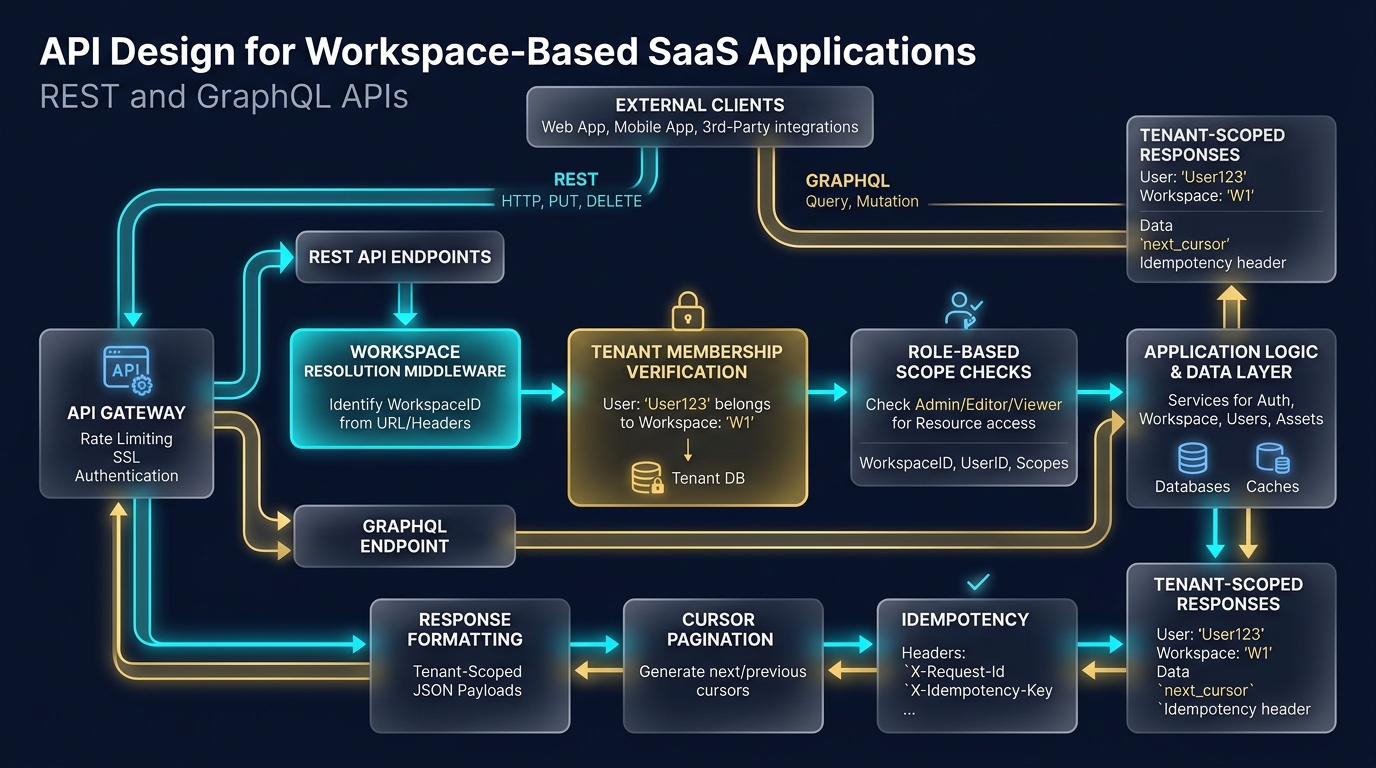
Design workspace-based SaaS APIs with clear tenant scope, server authorization, useful errors, stable pagination, safe retries, and asynchronous operations.
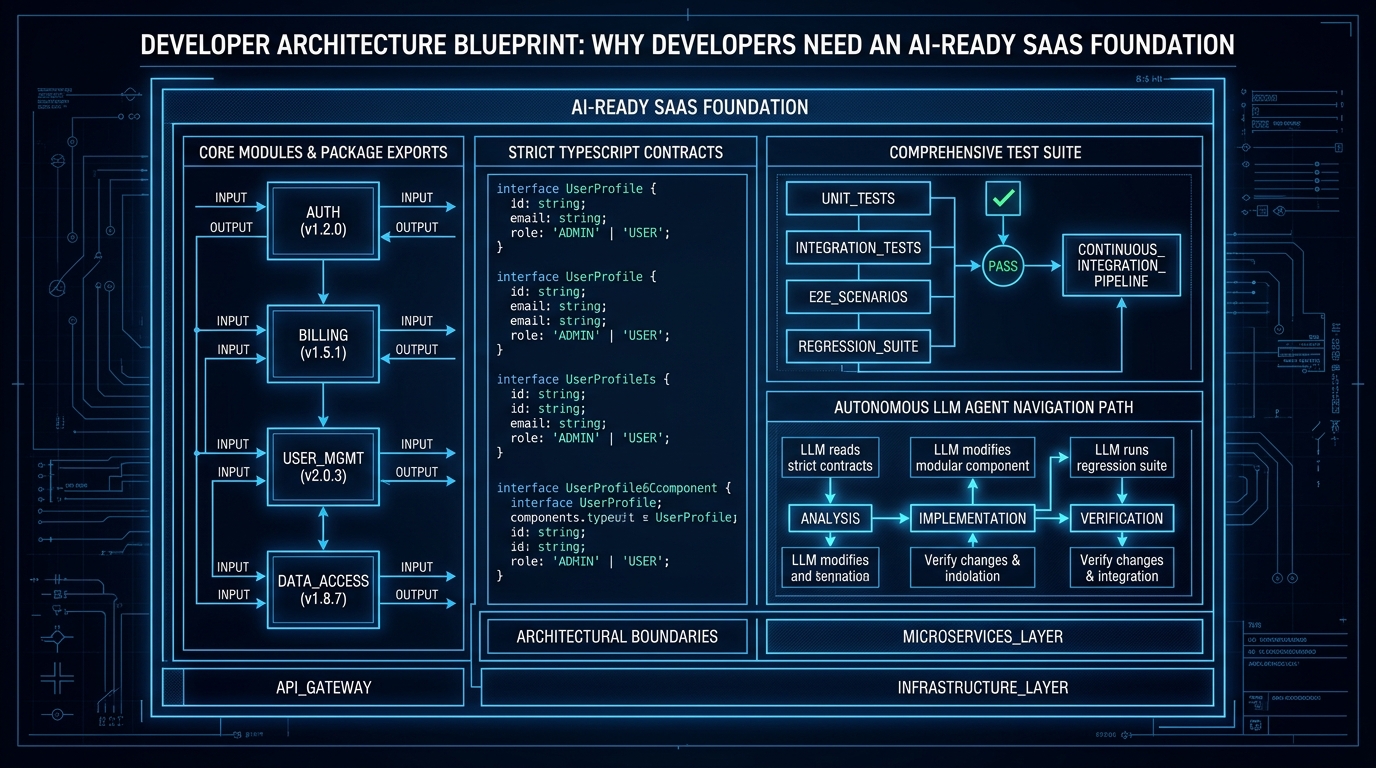
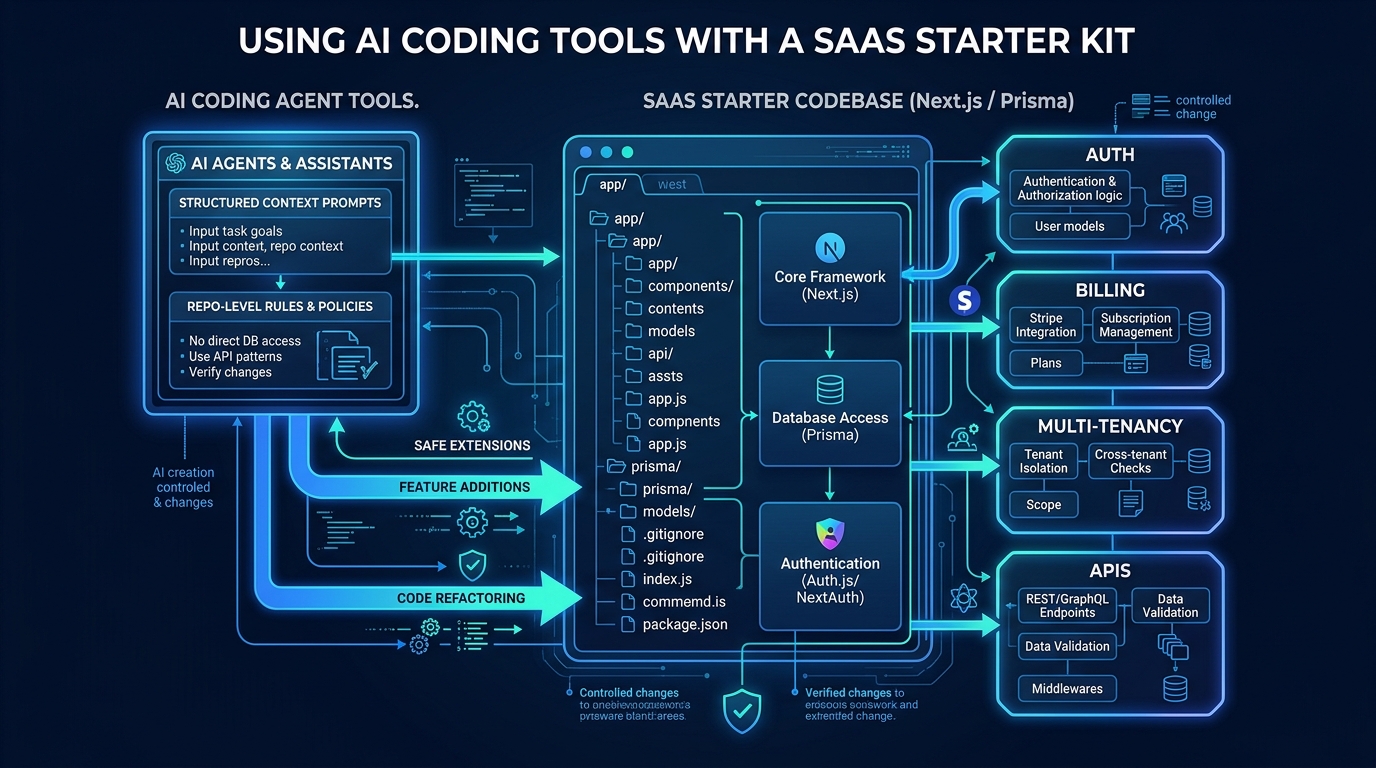
AI coding tools can help build applications, but their usefulness depends partly on the quality of the codebase they are asked to modify.
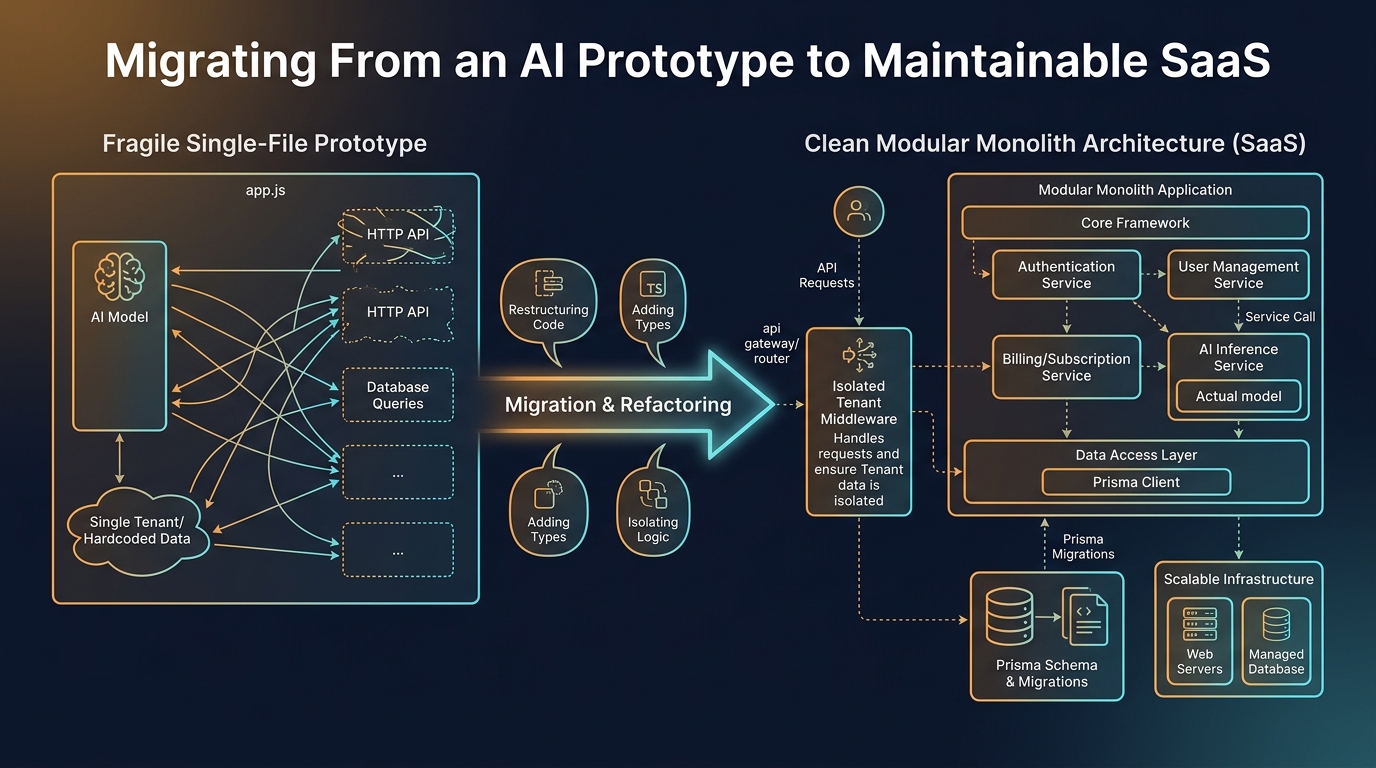
AI-generated prototypes are useful for exploring product ideas.
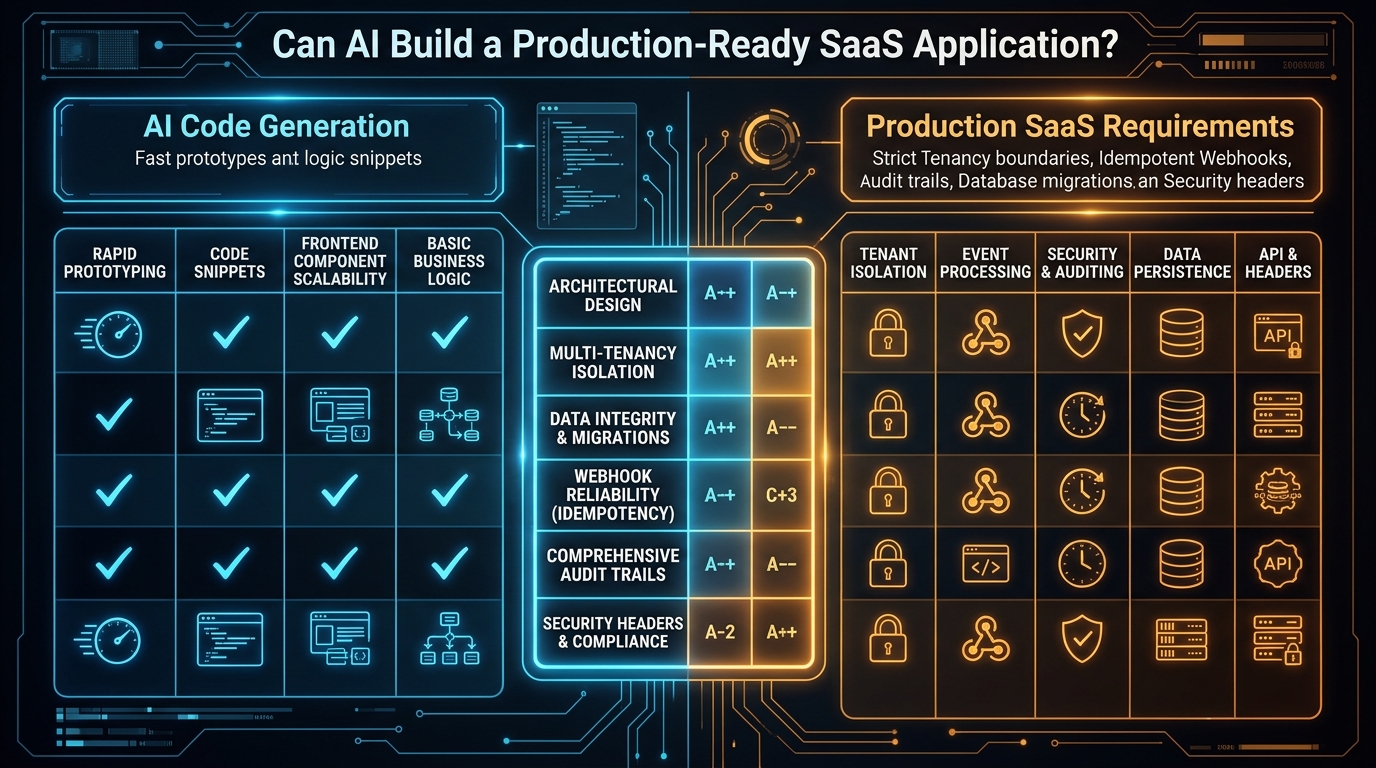
AI tools can generate code quickly.
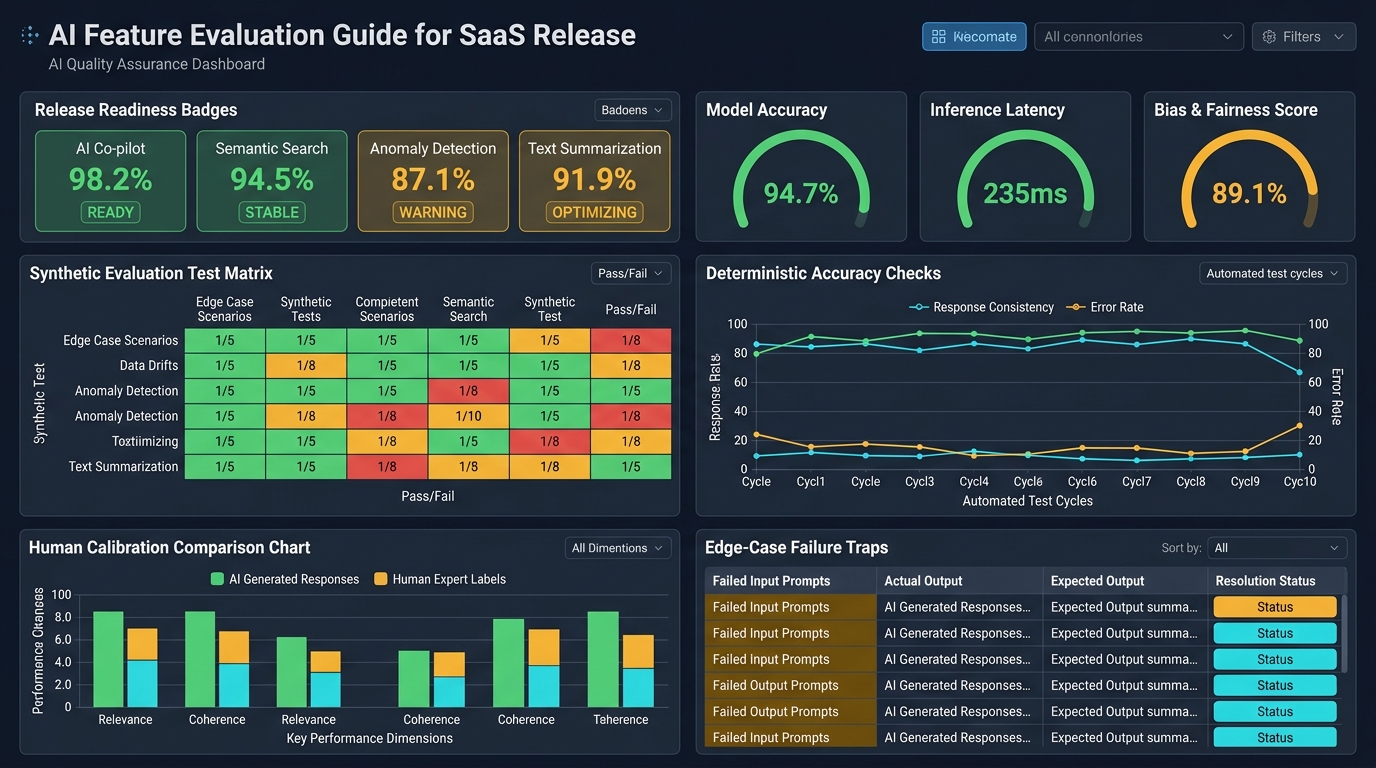
Evaluate AI features before a SaaS release with task-specific cases, clear rubrics, deterministic checks, human calibration, and documented release criteria.
AI coding tools are changing how software teams write and maintain applications.
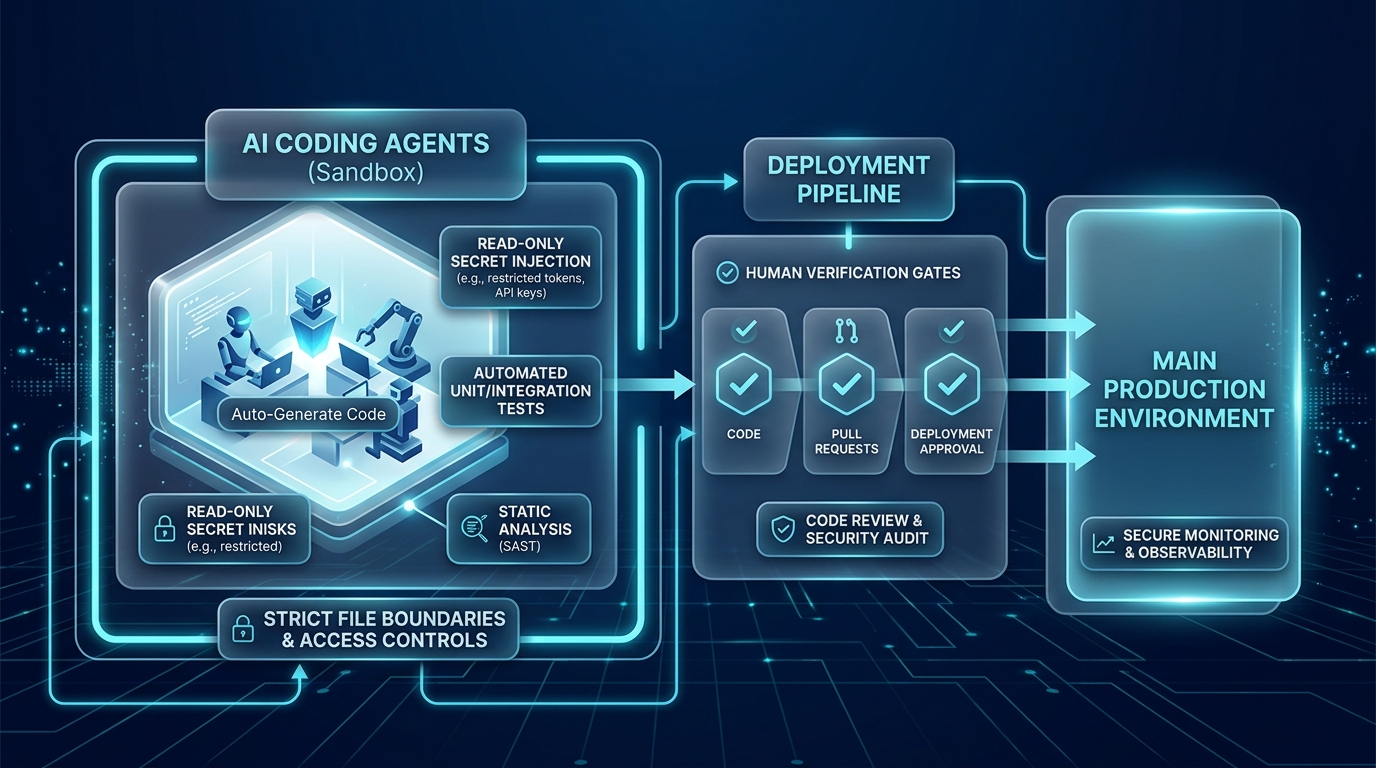
Use AI coding tools with a SaaS starter through bounded tasks, repository context, reviewed changes, tenant-aware checks, and practical release evidence.
AI coding agents can make multi-file changes, implement features, and assist with repetitive development tasks.
AI-assisted development works best when it combines fast implementation with predictable verification.
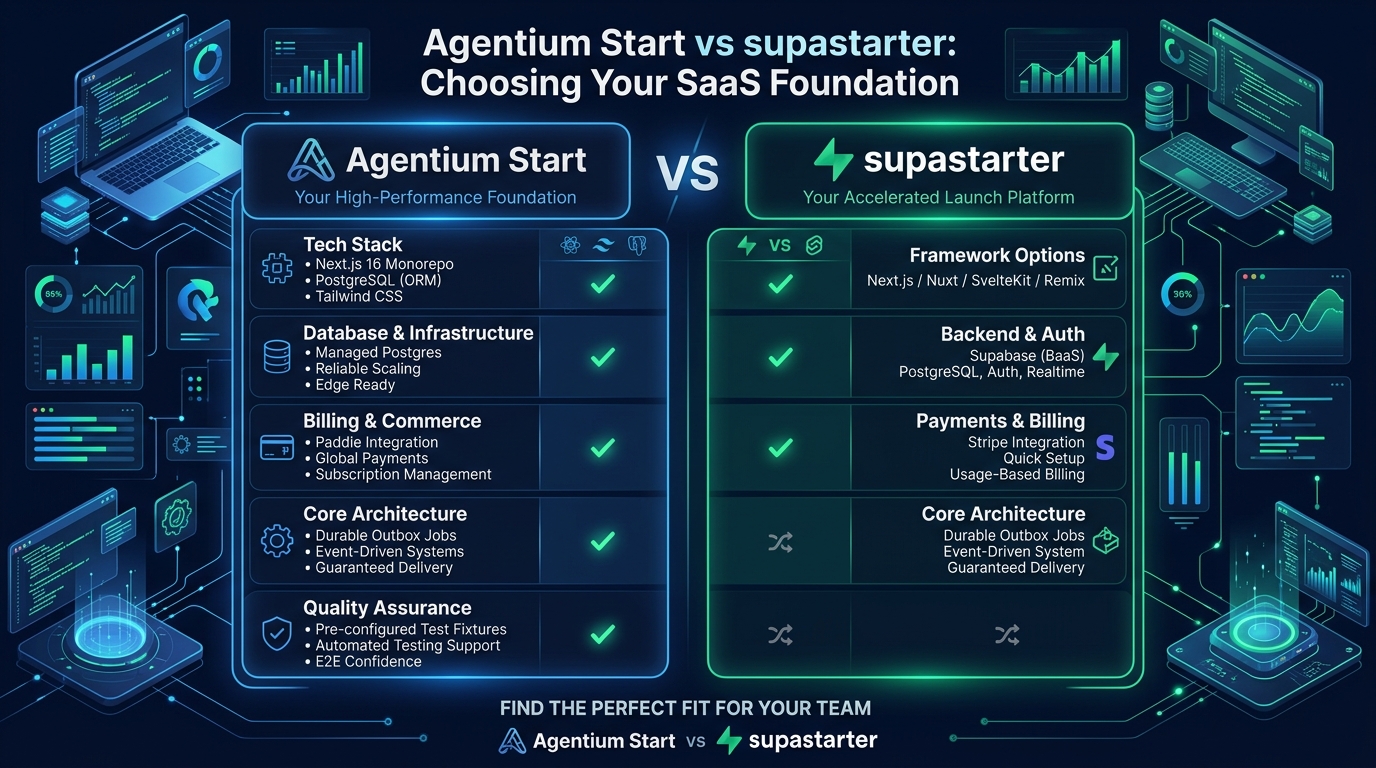
Compare Agentium Start and supastarter by architecture fit, AI workflows, provider setup, license scope and the work needed to launch your own application.
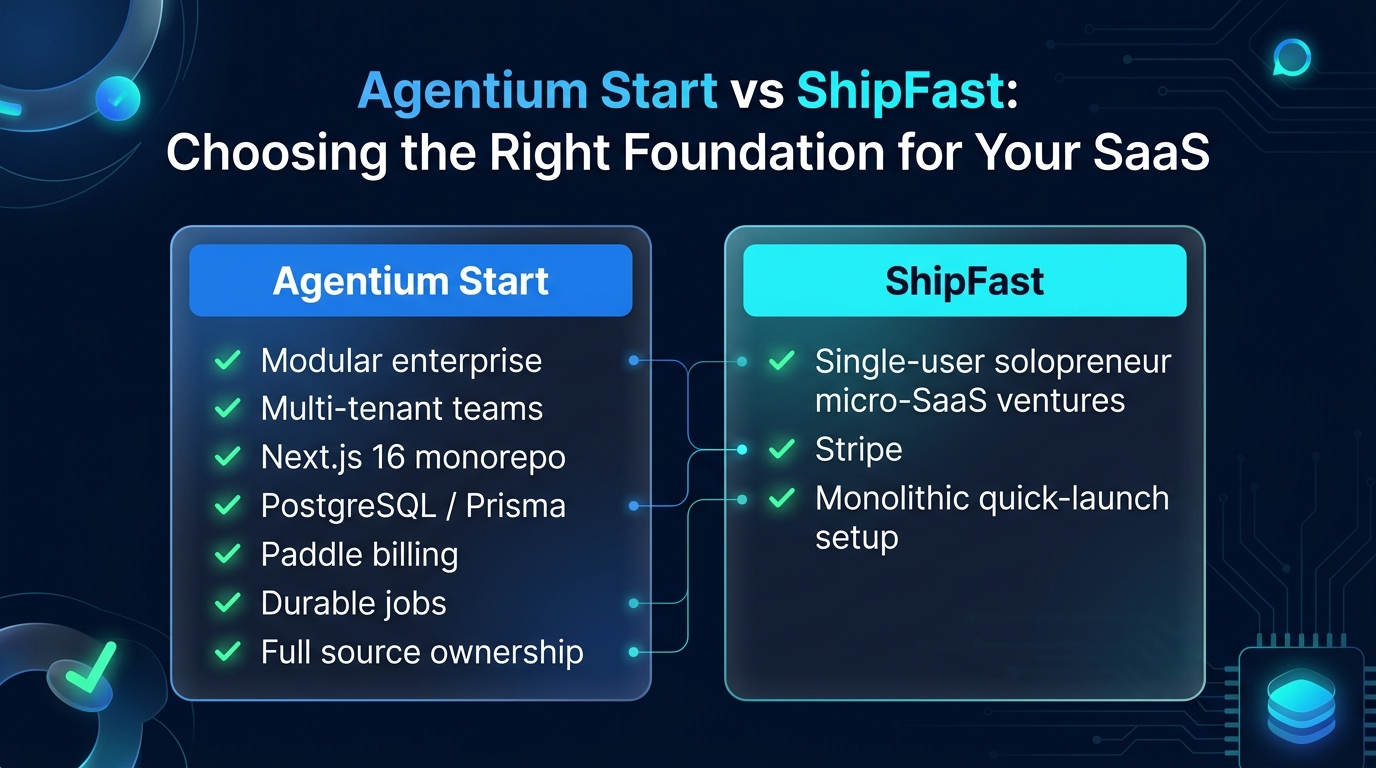
Compare Agentium Start and ShipFast by supported workflows, setup, source licensing, AI-assisted changes and verification—not feature-count claims.
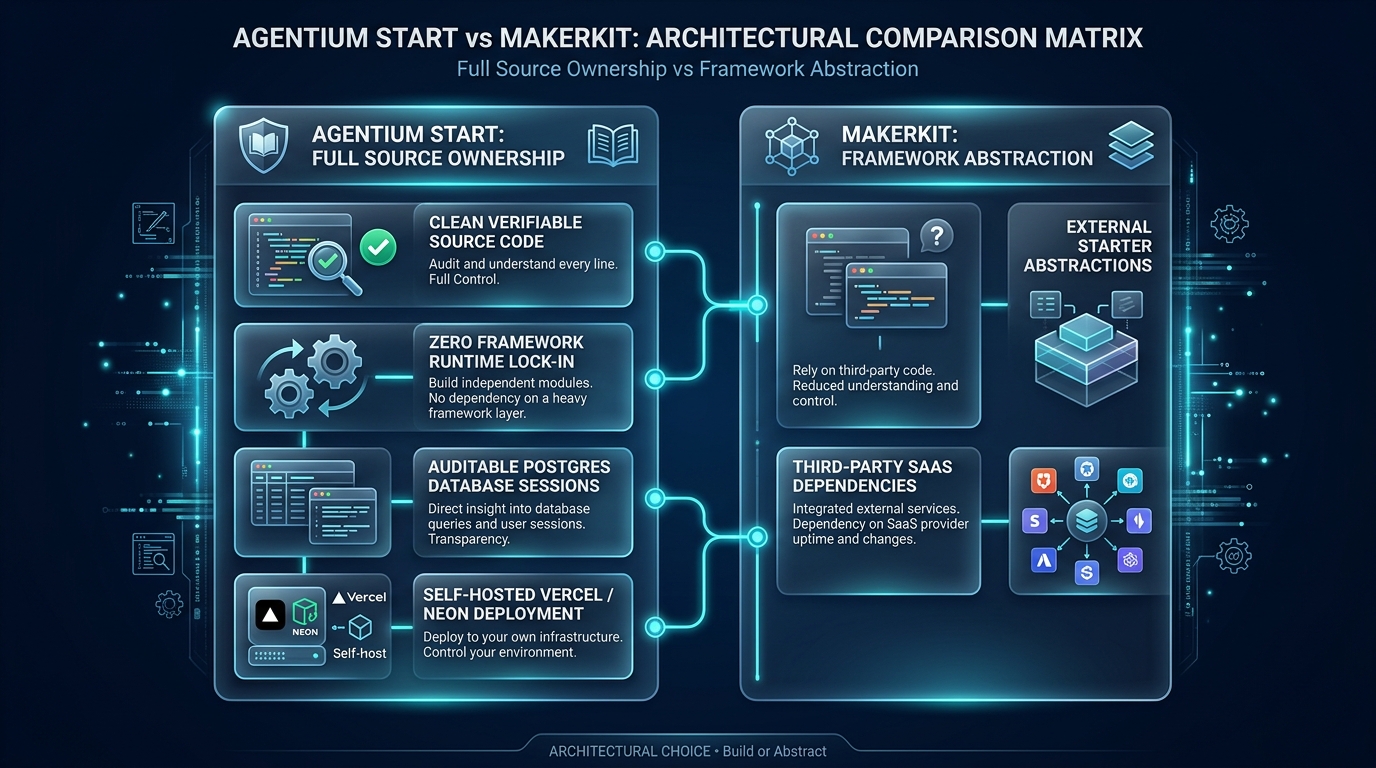
Compare Agentium Start and Makerkit by B2B workflows, developer experience, source rights, change review and the effort to adapt your next feature.
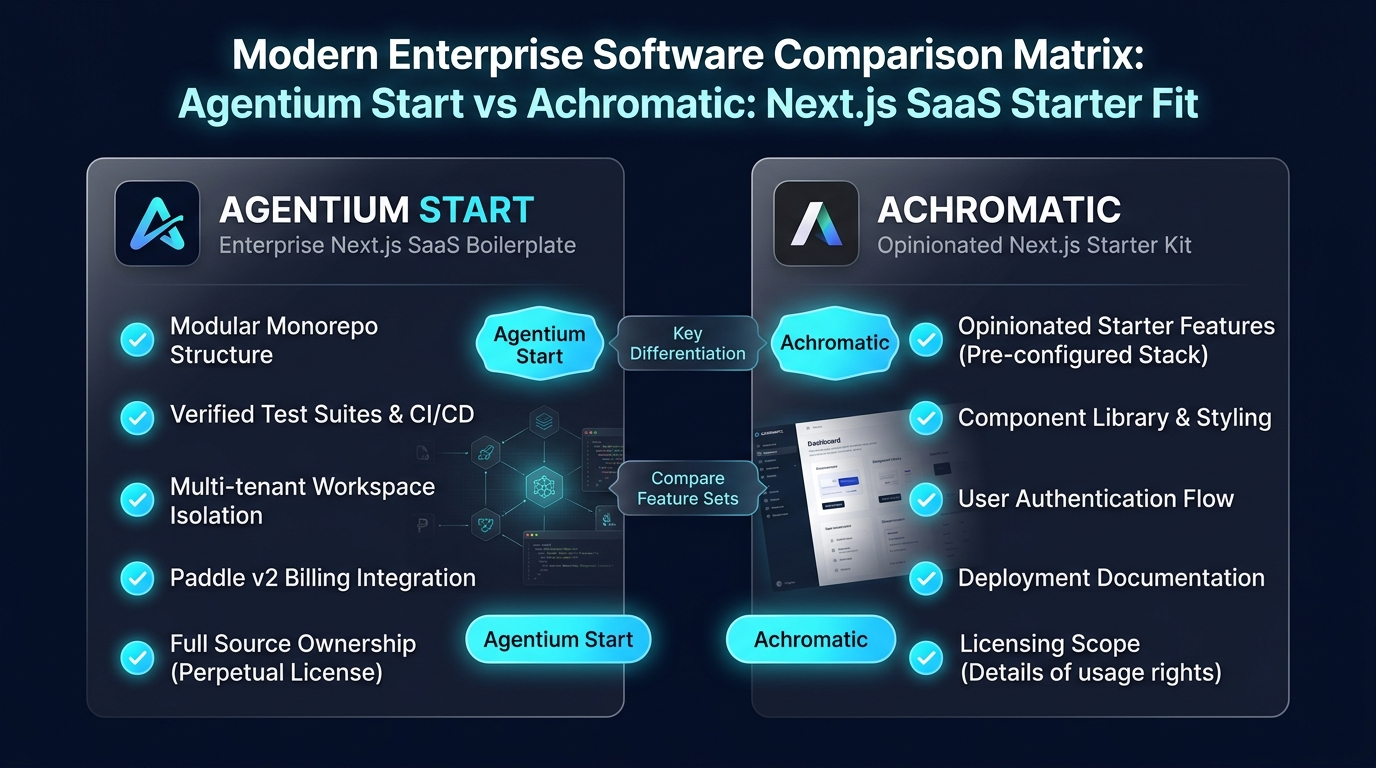
Compare Agentium Start and Achromatic by architecture, application scope, licensing, support and the first custom workflow you need to build.
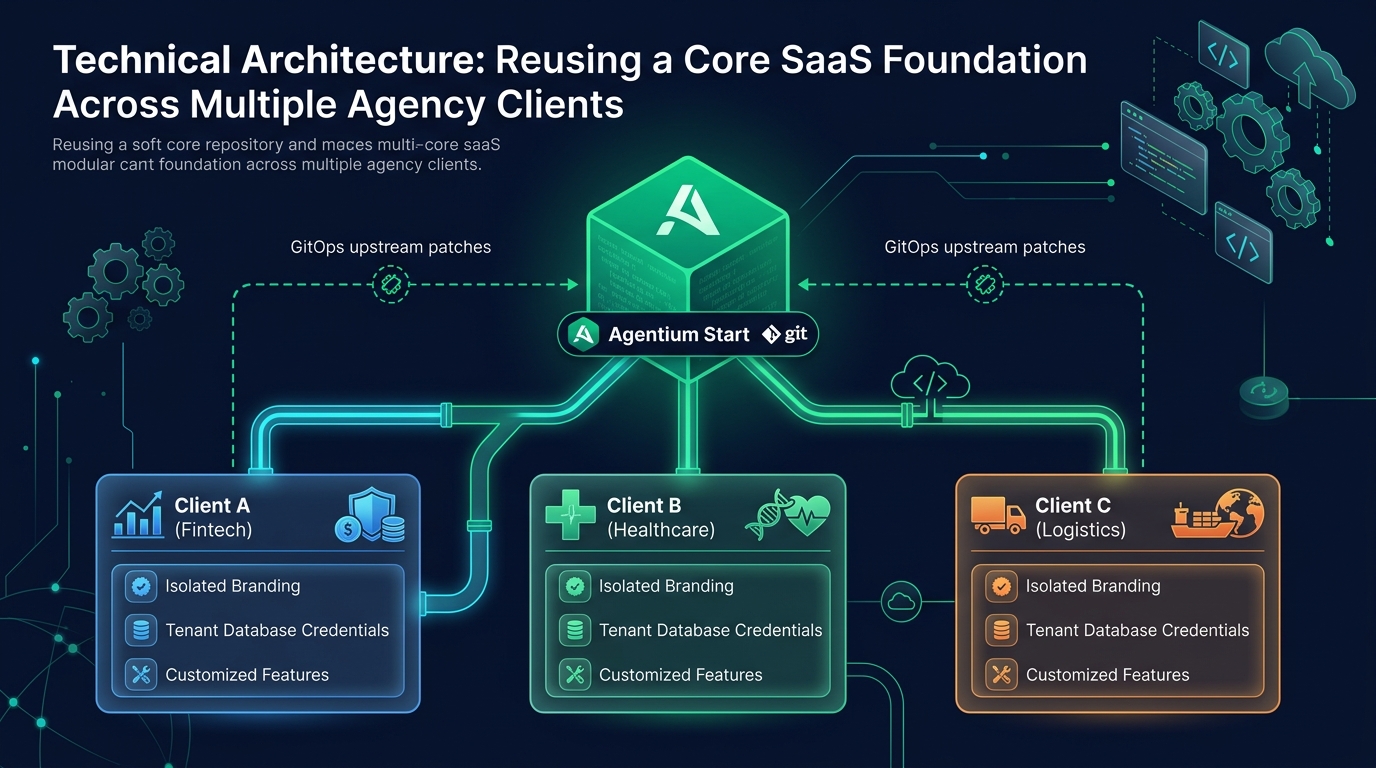
Reuse a SaaS foundation across agency clients with a maintained baseline, separate configuration, reviewed updates, clear licensing, and useful handover.
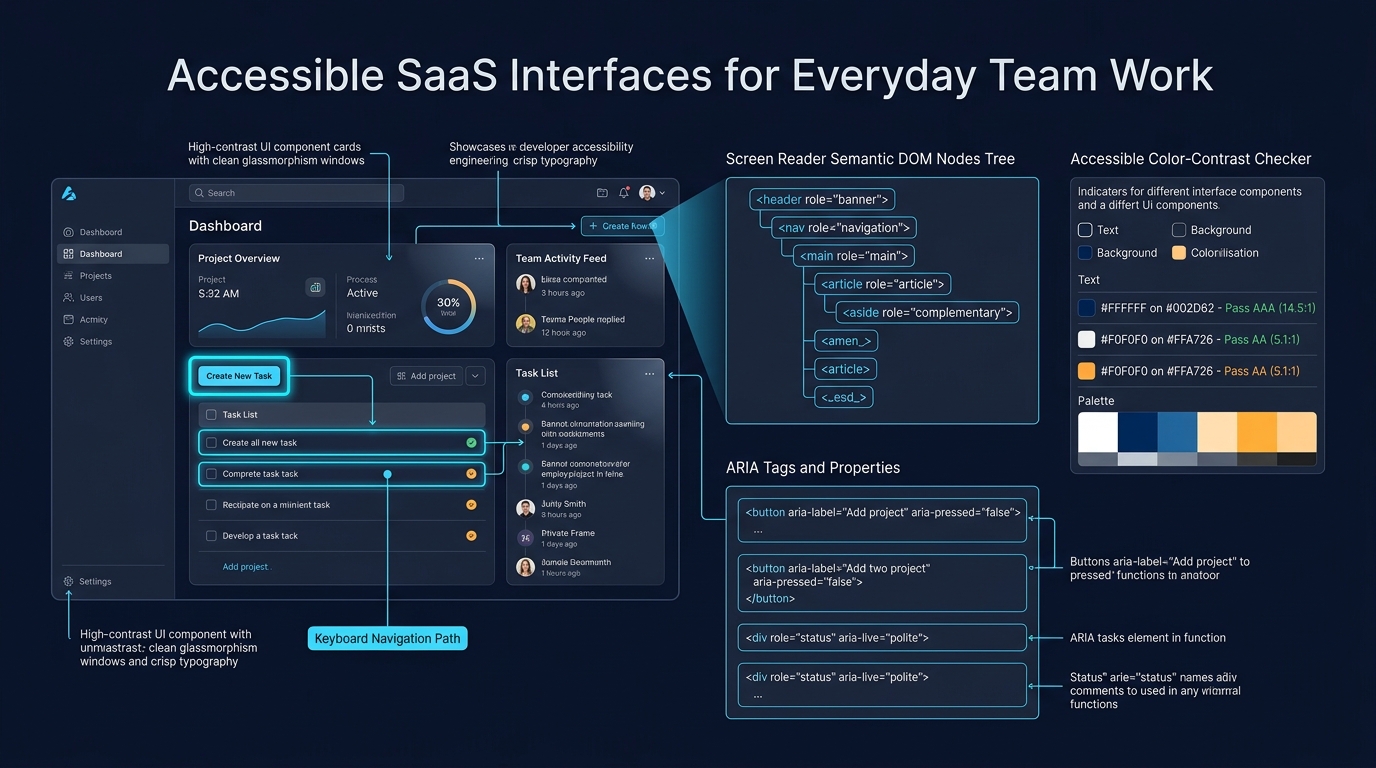
Build accessible SaaS interfaces with clear labels, keyboard navigation, useful errors, understandable tables, and dependable feedback during everyday work.
Why we're building a digital venture studio for conscious technologists.